Texas still leans Republican, but demographic shifts and changing voter attitudes are fueling fears that a key GOP Senate seat could be slipping away


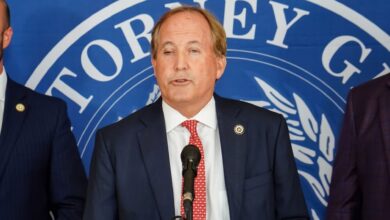
Texas – Texas Republicans are confronting an unusual challenge as the race for one of the state’s U.S. Senate seats begins to look far more competitive than many expected. While Texas continues to lean Republican and has not elected a Democrat to the Senate in decades, a combination of demographic changes, shifting voter attitudes, and concerns surrounding Republican nominee Ken Paxton is creating fresh uncertainty about a seat the GOP has controlled since 1994.
The growing concern comes after Attorney General Ken Paxton defeated longtime Sen. John Cornyn in the Republican primary, a victory that reinforced President Donald Trump’s influence within the party. Yet some political observers believe the general election may prove much more difficult than the primary battle.
According to a recent report, Republicans have become increasingly “uncomfortable” as several developments have begun to reshape the political landscape in a state that has traditionally favored conservatives.
A Changing Texas Electorate
One of the biggest factors is Texas’ rapidly changing population. Since 2020, more than 2 million people have moved to the state, dramatically increasing its population and altering its political makeup.
Political science professor Brandon Rottinghaus noted that many of these newcomers are “less tied to Texas’ long-standing political patterns,” making them less predictable than longtime Texas voters. That uncertainty could create opportunities for Democrats hoping to compete statewide.
Political scientist Mark P. Jones echoed that assessment, arguing that many recent arrivals fit the description of either “economic migrants” or “political refugees” – or both. In other words, many new Texans came seeking lower costs, jobs, or a different political environment, and their voting habits may not align neatly with the state’s traditional Republican base.
These population shifts do not automatically guarantee Democratic success. However, they make election outcomes harder to predict than they once were.
Hispanic Voters Become a Central Battleground
Another major concern for Republicans involves Hispanic voters, who now make up the largest demographic group in Texas.
This voting bloc played a crucial role in Trump’s strong performance in Texas during the 2024 election. Exit polls showed Trump winning 55 percent of Hispanic voters in the state, an impressive result that helped Republicans strengthen their position.
However, recent polling suggests that support may be weakening.
Trump’s disapproval rating among Hispanic Texans reportedly climbed to 67 percent last week, raising questions about whether Republicans can maintain the gains they made with Latino voters just two years ago.
That trend is particularly important because Paxton enters the general election with Trump’s endorsement and will likely rely heavily on the same coalition that helped deliver Republican victories in recent cycles. If Hispanic voters move back toward Democrats, the race could become much more competitive than many Republicans would like.
Opportunity and Risk for Both Parties
Despite the concerns facing Republicans, Democrats are hardly guaranteed a breakthrough.
Axios reporter Russell Contreras noted that “Paxton carries years of legal and ethical baggage, but [Democratic Senate nominee James] Talarico also has vulnerabilities in a state that still leans conservative, including past comments on religion and his progressive profile Republicans will target.”
That reality highlights the complicated nature of the race. Paxton faces questions tied to years of controversies and legal battles, while Talarico must convince voters in a state that continues to favor Republicans in statewide elections.
Still, the fact that Republicans are openly discussing potential risks underscores how different this race feels compared with many previous Texas Senate contests.
For years, Texas was viewed as reliably Republican territory. Today, it remains a conservative state, but demographic growth, population movement, and changing voter attitudes are making elections less predictable.
As Contreras summarized, “Texas isn’t suddenly blue. But it is bigger, newer and less predictable – and that’s enough to make Paxton’s Senate race uncomfortable for Republicans.”
Whether those changes are enough to produce a historic upset remains uncertain. What is clear is that both parties now see Texas as a far more competitive battleground than many would have imagined only a few years ago.