Texas surges ahead as the undisputed capital of corporate America as California’s proposed billionaire tax fuels new concerns

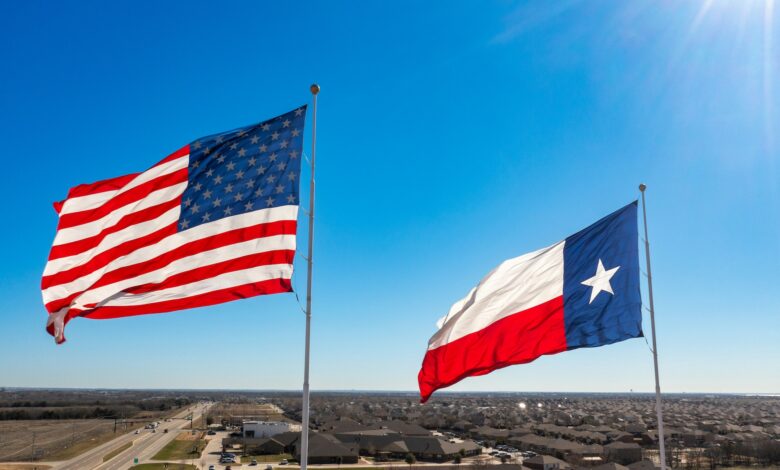
Texas – A major shift in the American business landscape is becoming increasingly difficult to ignore. For the first time in years, Texas has moved ahead of California as the state with the most Fortune 500 headquarters, marking a symbolic victory for a state that has spent years attracting corporations, investors, entrepreneurs, and high-profile business leaders.
The latest Fortune 500 rankings show Texas now hosts 57 company headquarters, narrowly surpassing California’s 56. Just two years ago, California held the lead. The change may appear small on paper, but many business observers see it as evidence of a broader economic realignment that has been unfolding for years.
The numbers go beyond headquarters alone. Companies based in Texas generated a combined $2.8 trillion in revenue, compared to $2.7 trillion for corporations headquartered in California.
Texas leaders were quick to celebrate the development. “Texas is the undisputed headquarters of headquarters,” Texas Gov. Greg Abbott said in a statement. “The world’s leading businesses invest with confidence in Texas because of our welcoming business climate, predictable regulatory environment, and skilled and growing workforce. People and businesses are choosing Texas because Texas works.”
Corporate Migration Continues
The rise of Texas has been fueled by a steady stream of corporate relocations. During the past year alone, major companies including ExxonMobil, Chevron, Samsung Electronics America, SpaceX, and X either moved their headquarters or shifted their legal incorporation to Texas. Most of those moves came from California, while a smaller number originated in New Jersey.
The migration has not been limited to corporations. Several well-known entrepreneurs and billionaires have also established roots in Texas in recent years. Uber co-founder Travis Kalanick recently announced his move to Austin, joining a growing list that includes Elon Musk, Mark Cuban, Palantir co-founder Joe Lonsdale, and investor David Sacks.
Supporters of Texas’ growth argue that affordability, lower taxes, business-friendly regulations, and population growth are creating an environment that continues to attract both companies and individuals. “Americans are voting with their feet. They want places that are livable. They want places that are workable. They want places that are sustainable and affordable,” Texas REALTORS Chair Jennifer Wauhob previously said. “And so I think this migration, as we call it, is really turning into a long-term shift.”
California’s Tax Debate Draws National Attention
The latest developments come as California faces an increasingly heated debate over a proposed tax targeting the state’s wealthiest residents. Supporters of the California Billionaire Tax Act recently announced they had gathered more than 1.55 million signatures, well above the 875,000 needed to place the measure before voters.
If approved, the proposal would impose a one-time 5% tax on California residents whose net worth exceeds $1 billion. The measure is estimated to affect roughly 200 individuals. According to the proposal, anyone who was a California resident on Jan. 1, 2026, would be subject to the tax if voters approve it in November. Payments would begin in 2027 and could be spread over five years with interest.
The potential financial impact could be enormous. A California resident worth $20 billion, for example, would face a one-time tax bill of approximately $1 billion, payable over several years. The proposal has intensified concerns among business groups and economic analysts who worry that additional taxes could encourage more wealthy individuals and companies to leave the state.
Supporters of the measure argue it is necessary to help offset funding pressures created by “cuts to Medicaid and other federal health insurance programs by the Trump administration last year.” Critics, however, warn the consequences could be significant. Opponents estimate the proposal could result in the loss of roughly 108,000 high-paying jobs over the next two decades if businesses and wealthy residents choose to relocate elsewhere.
A Growing Economic Divide
While California remains one of the largest and most influential economies in the world, the competition between the two states is becoming increasingly intense.
Texas has spent years marketing itself as a destination for business investment, emphasizing lower costs, regulatory stability, and a rapidly growing workforce. California, meanwhile, continues to offer unmatched advantages in technology, innovation, venture capital, and global influence but faces ongoing debates over taxation, housing costs, and business regulations. The latest Fortune 500 rankings suggest that Texas’ strategy is producing measurable results.
Whether the billionaire tax ultimately passes remains uncertain, but the discussion itself has become part of a larger national conversation about where businesses choose to grow, where entrepreneurs decide to invest, and which states are best positioned to attract the next generation of economic activity.
For now, Texas holds a title that once seemed firmly in California’s hands. And as corporations, investors, and high-profile executives continue to move south, the battle for economic dominance between America’s two largest state economies shows no sign of slowing down.