Paxton vows crackdown after explosive allegations that CCP-linked drone companies may be spying on Texans through deceptive U.S. partnerships

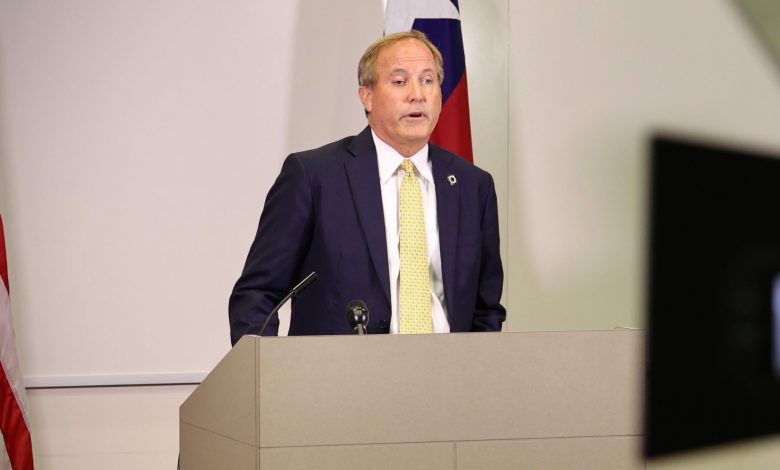
Texas – Texas Attorney General Ken Paxton has launched a new investigation into a drone company accused of helping a Chinese-linked business continue operating in the United States while allegedly hiding serious national security risks from consumers.
The investigation centers on Drone Nerds, LLC and its relationship with Anzu Robotics, a company Texas officials describe as connected to the Chinese Communist Party (CCP). According to Paxton’s office, the case raises concerns not only about deceptive business practices, but also about surveillance, data collection, and the possibility of foreign access to sensitive information gathered from Texans.
The move marks another escalation in Texas’ increasingly aggressive campaign against companies suspected of having ties to the CCP, particularly in the technology sector.
“Under my watch, the Chinese Communist Party will have no influence in Texas,” said Attorney General Paxton. “I will thoroughly investigate any potential threat to the privacy and security of Texans and hold any company that enables CCP surveillance accountable.”
Concerns Over Surveillance and Hidden Ties
According to the attorney general’s office, Anzu Robotics has marketed and sold drones in the United States while allegedly concealing its connections to the Chinese Communist Party and misrepresenting its security protections.
Officials argue that the drones raise multiple red flags, including unauthorized data collection capabilities, surveillance risks, and concerns that information gathered through the products could potentially become accessible to the Chinese government.
The issue first drew major attention earlier this year. In February 2026, Paxton sued Anzu, accusing the company of deceptive conduct and attempting to protect Texas consumers from what the state described as threats to privacy and national security.
Now the focus has expanded to include Drone Nerds.
The latest investigation follows the November 2025 acquisition of both Drone Nerds and Anzu by XTI Aerospace. Texas officials say new evidence suggests Anzu may have attempted to bypass restrictions and scrutiny by using Drone Nerds as a distributor for its products inside the United States.
According to the attorney general’s office, the two companies may effectively be working together to continue selling products that could allow the CCP to gather information on Texans.
One of the strongest allegations involves how the products were marketed to buyers.
Despite concerns surrounding Anzu’s background, Drone Nerds allegedly promoted the Anzu Robotics Raptor drone as being “headquartered and operated within the United States, giving you the peace of mind that your solution is delivered by your neighbors.”
Texas officials now argue those claims may have misled consumers about the true origins and affiliations tied to the technology.
State Investigation Expands
As part of the probe, Paxton issued a Civil Investigative Demand, commonly known as a CID, to Drone Nerds. The demand is intended to gather records and determine how deeply the company may have been involved in possible violations of the Texas Deceptive Trade Practices Act.
The attorney general’s office says the broader goal is to stop foreign adversaries from using technology partnerships and hidden corporate relationships to gain access to American data.
Texas has increasingly positioned itself as one of the most aggressive states in the country when it comes to confronting Chinese influence, especially in areas tied to technology, infrastructure, and surveillance.
This latest investigation reflects growing fears among officials that products sold to everyday consumers could potentially serve as tools for monitoring, mapping, or collecting sensitive information without users fully understanding where that data could end up.
For Paxton, the case is about more than one drone company. It is part of a larger warning about foreign influence, corporate transparency, and the expanding battle over technology security inside the United States.
Whether the investigation ultimately leads to lawsuits, penalties, or additional restrictions remains unclear. But the message from Texas officials was unmistakable: companies suspected of helping foreign governments gain access to American data are now firmly in the state’s crosshairs.