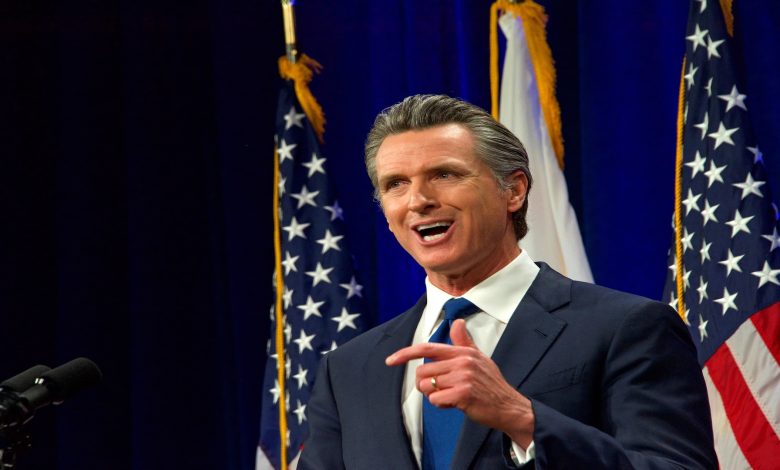
The contrast between the states could hardly be sharper.
In Texas, Abbott has aggressively expanded legal and political efforts against Muslim groups, including CAIR, while framing the moves as necessary for public safety and legal oversight. In California, however, state agencies have continued approving major grants to CAIR-CA for immigration and community support programs, despite years of criticism tied to the national organization’s past legal controversies.
Records show the California Department of Social Services approved at least $41 million in funding for CAIR-CA between 2020 and 2025. Much of the money came from federal sources and was tied to immigration legal services and refugee assistance programs.
One major grant awarded in 2022 provided $7.2 million for legal aid connected to Afghan newcomers entering the United States. Then in September 2025, another $23 million was approved under the same broader assistance initiative.
Supporters say the funding helps immigrant families receive legal support and community assistance during difficult transitions. CAIR-CA has stated that parts of the funding were distributed through partner organizations and subgrantees to support dozens of families and community programs.
But critics argue the situation exposes what they see as inconsistent standards in how governments handle organizations tied to past controversies.
Texas and Florida Move in the Opposite Direction
While California continues supporting CAIR financially, Republican-led states are moving aggressively against the group.
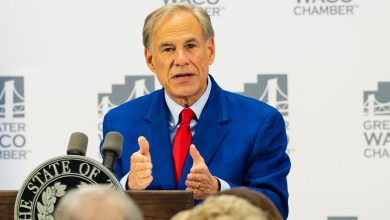
In Texas, Abbott recently intensified his legal battle with CAIR after previously designating the organization as a foreign terrorist organization in late 2025. Abbott claimed the organization sought to impose Sharia law in Texas, accusations CAIR has repeatedly denied.
A federal court recently granted Abbott’s request for internal CAIR materials, including donor records, travel information, and award recipient details as part of the ongoing dispute.
The legal fight unfolded alongside several other controversial moves targeting Muslim-linked organizations and projects across Texas.
Abbott publicly vowed that the Muslim-centered housing development formerly known as EPIC City “will never see the light of day” after developers appeared to gain momentum through a court ruling tied to fair-housing agreements.
The governor also pressured the City of Grand Prairie to cancel a private Eid celebration at a city-owned water park after a promotional flyer mistakenly described the gathering as “Muslims only.” Abbott called the event “religious discrimination” and “unconstitutional.”
“The City must cancel the event and commit to never allowing something like it again by May 11th, or lose $530,000 in state grants,” he warned.
At the same time, Abbott directed state officials to issue a cease-and-desist order against Texas American Muslim University of Dallas, claiming the institution was “not operating in Texas in compliance with the laws and regulations of the state of Texas.”
“Texas will not allow illegal educational institutions to operate in our state,” Abbott wrote, adding that “legal action will follow” if the group refused to comply.
Florida has also taken steps aimed at restricting or scrutinizing CAIR activities, adding to the broader Republican effort surrounding the organization.
Questions Over Funding and Oversight
The debate surrounding California’s funding became even more intense because of previous federal investigations connected to CAIR nationally.
The U.S. Department of Justice has reviewed whether CAIR-CA remains eligible for certain federal funding streams following earlier federal terrorism-financing investigations in which the national organization was named as an unindicted co-conspirator.
Although no criminal conviction emerged from those earlier matters involving CAIR itself, critics continue pointing to the designation as justification for tighter scrutiny.
Advocates demanding stricter oversight argue taxpayer money should face stronger vetting standards when organizations carry controversial legal histories or national security concerns.
Supporters of the California funding strongly disagree.
They argue CAIR-CA operates legally and provides valuable civil rights protections, immigration support, and community assistance for Muslim and immigrant populations who often face discrimination.
California officials have largely defended the grants as ordinary public support programs designed to assist vulnerable communities, not political endorsements.
Still, the growing divide between states is creating deeper national questions about consistency and accountability.
When one state is attempting to restrict an organization while another directs tens of millions of dollars toward it, critics say the public receives mixed messages about oversight, security, and government standards.
The dispute is also unfolding during a politically charged election cycle where religion, immigration, and cultural identity are becoming central campaign issues in several Republican-led states.
Texas Democrats have already accused Abbott and other Republican leaders of promoting “fear-based politics” against Muslim communities.
“Recent lawsuits and investigations targeting a planned residential development formerly known as EPIC City—and other actions against Muslim organizations—are being justified with unfounded claims about ‘Sharia law’ and religious extremism, despite no credible evidence that Sharia law has been imposed anywhere in Texas,” the Texas Democratic Party said earlier this year.
As federal reviews continue and political pressure grows, California’s relationship with CAIR is likely to remain under heavy scrutiny. At the same time, the widening clash between Republican-led states and Democratic-led California is turning the organization into a major flashpoint in the national debate over immigration, religion, civil rights, and government funding.