Trump’s Texas triumph may come with a hidden cost as one in five Latino supporters say they would change their 2024 vote today, poll shows

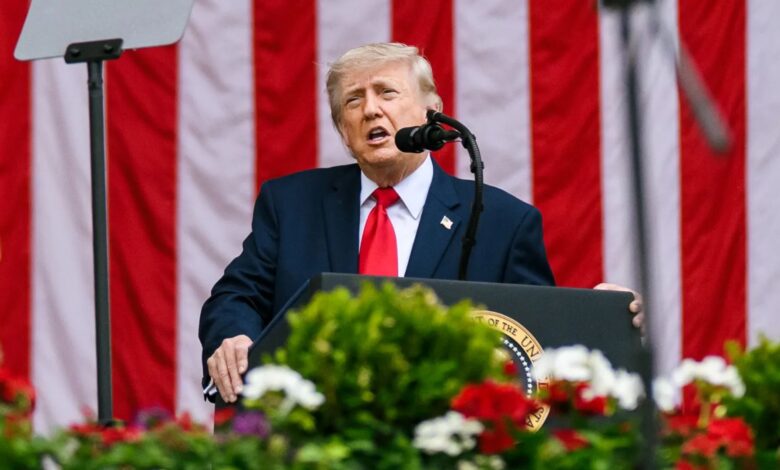
Texas – President Donald Trump scored a major political victory in Texas this week when his preferred Senate candidate, Texas Attorney General Ken Paxton, defeated longtime incumbent Sen. John Cornyn in the Republican primary. The result reinforced Trump’s influence over the Republican Party and demonstrated his ability to shape high-profile races even against established GOP figures.
Yet while Paxton’s win energized many Trump supporters, new polling suggests that the celebration may come with an unexpected warning sign. A survey of Latino voters in Texas indicates that some of the same voters who helped fuel Trump’s gains in 2024 are now expressing second thoughts about their decision, raising questions about whether Republicans can maintain the coalition that delivered major victories just a year ago.
Signs of Regret Among Latino Voters
According to reporting by The Texas Tribune, a new survey conducted by UnidosUS found growing dissatisfaction among Latino voters in Texas.
The poll found that “One in five Latino Texans who voted for President Donald Trump in 2024 would not support him again if given a redo, according to a new poll released Wednesday.”
That finding is particularly notable because Latino voters played a major role in helping Trump improve Republican performance across Texas in 2024. Trump captured 55% of the Latino vote in the state, an achievement that helped Republicans post some of their strongest results among Hispanic voters in modern Texas politics.
The new survey, however, suggests that some of those gains may not be permanent.
Among 500 registered Latino voters questioned by UnidosUS, roughly two-thirds said they disapproved of Trump’s performance as president. The same percentage also felt that Trump and congressional Republicans were not paying enough attention to economic concerns affecting ordinary families.
Economic issues appeared to be driving much of the dissatisfaction. Many respondents identified rising costs and inflation as the biggest factors shaping their opinions. Immigration enforcement also ranked as a major concern, but economic pressures stood out as the dominant issue.
Clarissa Martínez De Castro, whose organization focuses on Latino voter engagement, summarized the trend by saying that “the economic priorities dominate. Some people call it ‘buyer’s remorse,’ other people ‘do over.'”
Democrats See Opportunity
The poll results could provide encouragement for Texas Democrats, who have struggled for decades to win statewide office.
While Republicans continue to hold statewide power, the survey showed signs that Democrats may be regaining strength among Latino voters.
Of the 500 respondents surveyed, 300 lived in competitive congressional districts. Among those voters, Democrats held a clear advantage. According to the findings, 54% planned to support a Democratic congressional candidate, while only 27% intended to vote Republican. The remaining respondents were undecided.
The survey also pointed to strong support for Democratic statewide candidates.
Democratic Senate candidate James Talarico reportedly holds a significant lead among Latino voters when compared with Paxton. Likewise, Democratic gubernatorial nominee Gina Hinojosa was found to be running well ahead of Republican Gov. Greg Abbott among the same voter group.
Historically, Latino voters have often favored Democrats in Texas by large margins. Former President Barack Obama and former Democratic presidential nominee Hillary Clinton both carried the Latino vote by nearly 30 points during their campaigns. While Democratic margins began shrinking during the 2020 election cycle, the latest numbers suggest some voters may be moving back toward the party.
Political Forecasters Shift Their View
The concerns for Republicans are not limited to polling among Hispanic voters. Political analysts have also begun revising their outlook on Texas races.
The Cook Political Report recently changed its rating for Texas from “likely Republican” to “lean Republican,” signaling that analysts now see a more competitive environment than before. Jessica Taylor, the publication’s senate and governors editor, pointed directly to Paxton’s vulnerabilities. “Paxton has a litany of ethical lapses for Democrats to exploit — from allegations of bribery and misuse of his office to marital infidelity, which led his wife to divorce him on ‘biblical grounds,’” Taylor said.
She added, “Given the national environment, this is a race that certainly may have become competitive even if Cornyn had won, but Paxton’s flaws warrant an immediate move to the Lean column.” That assessment suggests analysts believe Paxton may present Democrats with opportunities that would not have existed against a more traditional Republican candidate.
Broader Concerns for Republicans
The challenges facing Republicans extend beyond the Texas Senate race.
According to Kyle Kondik of Sabato’s Crystal Ball, national political conditions may already be favoring Democrats heading into the next election cycle. “We think Democrats are still favored to win the House, even though Republicans have helped themselves through redistricting,” Kondik said. “The national environment just seems like it’ll be enough to push Democrats to the majority.”
Those comments reflect growing concern among Republican strategists that economic frustrations and declining approval numbers could create a more difficult electoral map than many expected.
For now, Trump remains highly influential within the Republican Party, and Paxton’s victory over Cornyn demonstrated that influence once again. But the new Latino voter survey suggests that maintaining Republican gains may prove harder than achieving them in the first place.
As Texas moves closer to November, both parties will be watching closely to see whether the dissatisfaction reflected in the poll becomes a lasting trend or merely a temporary sign of frustration. Either way, the results provide an early indication that the battle for Texas may be more competitive than many Republicans anticipated.