At the center of the dispute is the Historically Underutilized Business program, widely known as HUB. The program was created to give women, minorities, and other disadvantaged groups a fair shot at securing state contracts. It has long been seen as a pathway for smaller or overlooked businesses to compete in a system often dominated by larger players.
That balance was shaken when acting Texas Comptroller Kelly Hancock moved last year to reshape the program. His effort aimed to remove women and minority groups from HUB eligibility, a decision critics argued would strip the program of its original purpose.
Court Steps In as Legal Fight Intensifies
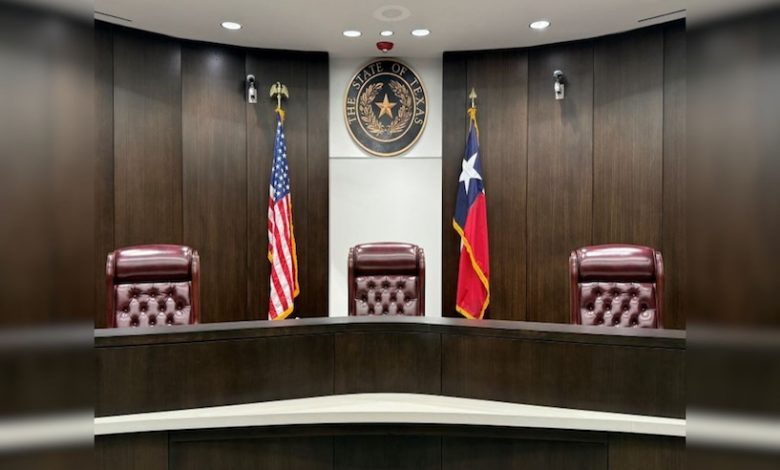
The issue quickly escalated into a courtroom showdown, where arguments over authority and fairness took center stage. The case brought together state officials and lawmakers, including Sen. Royce West, in a heated legal exchange over whether Hancock had the power to act alone.
In the end, the judge issued a temporary injunction that partially blocks the move. While the ruling does not fully stop Hancock from making changes, it does protect six plaintiffs involved in the lawsuit, many of whom are business owners directly affected by the decision.
The unusual nature of the ruling drew attention for more than just its outcome. According to reports, “Court judge partially blocks Acting Comptroller Hancock from unilaterally kicking minorities & women out of the Historically Underutilized Businesses program. The judge mentioned ‘Schoolhouse Rock’ and separation of powers in her ruling.”
That reference to “Schoolhouse Rock,” a well-known educational series about how government works, underscored the judge’s focus on constitutional structure—specifically the idea that one official cannot unilaterally reshape a program created through broader legislative intent.
Business Owners Push Back
For those directly impacted, the ruling brought at least temporary relief. Many business owners had expressed deep concern about the sudden change, describing it as disruptive and unfair.
As noted in the aftermath of the decision, “The Texas Senate Democratic Caucus and plaintiffs including business owners who have described ‘having the rug pulled out from under us’ were successful today in partially blocking Hancock from moving forward after the judge in the case issued a temporary injunction and set a trial for this fall.” The timeline is already set, with confirmation that “November 9 is the trial date.”
That upcoming trial means the issue is far from settled. Instead, this ruling serves as a pause—a moment for the courts to more fully examine whether the changes align with the law.
A Larger Political Pattern
The fight unfolding in Texas does not exist in isolation. It reflects a broader trend seen at the national level, where efforts to roll back diversity, equity, and inclusion policies have gained momentum.
Similar moves have been tied to federal actions in recent years, including attempts to limit or remove diversity-focused programs across government agencies. In that sense, the Texas case is part of a much wider debate about how public programs should operate—and who they are meant to serve.
For now, the judge’s decision has slowed one piece of that effort. But with a full trial still ahead, the future of the HUB program—and the broader direction of such policies in Texas—remains uncertain.
What is clear is that this case has already pushed the conversation into sharper focus. It is no longer just about one program or one decision. It is about how far government power can reach, and who gets to decide the rules that shape opportunity.