Chip Roy turns up pressure with aggressive bid to strip CAIR of federal funds and label it terror-linked amid DOJ investigation

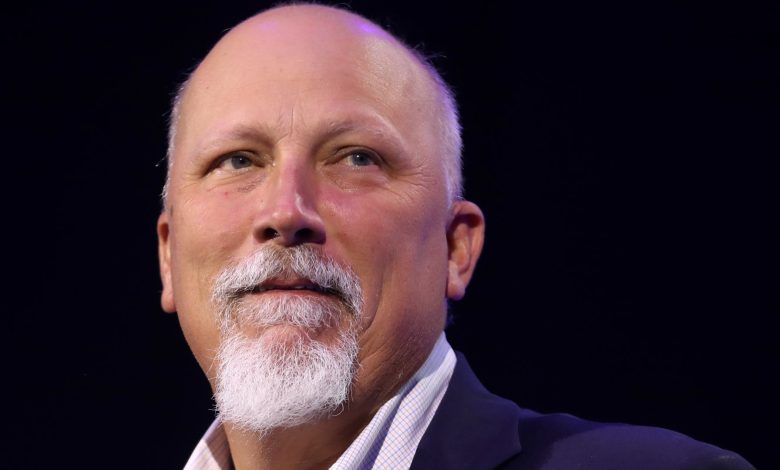
Texas – Texas Rep. Chip Roy escalated his campaign against Council on American-Islamic Relations this week, pushing for an immediate halt to federal funding and urging the government to formally label the group as terror-linked. The move comes as a Department of Justice investigation continues to examine allegations tied to federal grant use, turning what was already a simmering dispute into a high-stakes political and legal clash.
Roy’s latest action centers on a direct appeal to Robert F. Kennedy Jr., asking the Department of Health and Human Services to suspend funding not only to CAIR but also to its California branch and affiliated entities. At the same time, he is pushing for debarment proceedings, a step that would effectively block the organization from receiving future federal funds.
The Texas Republican did not soften his language. “Why should Americans’ taxpayer dollars go to groups like CAIR that facilitate terrorism? On top of legislation I recently introduced designating CAIR as a Specially Designated Global Terrorist Organization and revoking its 501(c)(3) tax-exempt status, I am asking Secretary Kennedy, Jr. to investigate CAIR for misuse of federal grant dollars and to debar them from future grants if it has engaged in foul play. Groups like CAIR that support Hamas should not be lining their pockets on the backs of hardworking Americans,” Roy said.
Mounting Pressure Amid Federal Investigation
The push comes in response to a DOJ investigation launched more than a year ago, examining whether CAIR improperly handled federal funds connected to Afghan refugee programs. According to the congressional letter, concerns were first raised in a March 2025 complaint that questioned how millions of dollars were distributed and whether certain affiliated entities were operating legitimately.
Lawmakers backing Roy argue that the issue goes beyond accounting concerns. In their letter, they claim that “CAIR’s longstanding ties to terrorist organizations, including Hamas—a U.S.-designated Foreign Terrorist Organization (FTO)—combined with documented financial mismanagement and misuse of federal grant funds administered by the Department of Health and Human Services (HHS), pose a grave risk to national security and render CAIR unfit to receive taxpayer dollars.”
At the center of the dispute is more than $15 million in federal funding that has flowed through state programs since 2022, primarily tied to Afghan resettlement efforts. Critics argue that these funds may have been mishandled or directed in ways that raise serious compliance questions.
The letter further warns that “CAIR’s status as a federal grant recipient not only jeopardizes public funds but also threatens national security by subsidizing an entity aligned with terrorist groups and extremist movements. Immediate suspension is essential to prevent further harm, followed by formal debarment proceedings to bar CAIR from all federal non-procurement programs, including ORR grants.”
Legislative Offensive Expands the Fight
Roy’s strategy does not stop at funding pressure. He has introduced a series of legislative proposals aimed at escalating the confrontation. Among them is the Designating Hamas Affiliates in America Act of 2026, which seeks to classify CAIR as a Specially Designated Global Terrorist Organization. If passed, it would freeze the group’s assets and ban Americans from engaging with it.
In parallel, he has put forward the No Tax Exemptions for Terror Act, designed to strip tax-exempt status from organizations accused of ties to extremist groups. Together, these efforts signal a broader push to redefine how advocacy organizations are treated under federal law.
The campaign also connects to a wider political agenda. Roy, who is running for Texas attorney general, has taken multiple steps targeting what he describes as ideological threats, including proposals tied to immigration enforcement and broader legislative efforts aimed at individuals he links to extremist beliefs.
CAIR Pushes Back as Legal Battle Looms
The Council on American-Islamic Relations has strongly rejected the allegations. The group maintains that it has no ties to terrorism and argues that the investigation is politically motivated. It has also pushed back against claims raised by outside organizations, calling them part of a coordinated attempt to discredit its work.
In previous statements, CAIR defended its role in refugee assistance programs and dismissed accusations as unfounded. The organization has also taken legal action in response to separate efforts at the state level, arguing that it is being unfairly targeted based on religion and advocacy positions.
A Broader Political and Legal Showdown
What began as a funding dispute has now expanded into a larger battle over national security, civil rights, and the limits of government authority. Supporters of Roy’s effort argue that taxpayer money must be carefully monitored and that any organization under suspicion should face strict scrutiny. Critics, however, warn that the move could set a precedent for targeting advocacy groups based on political disagreements.
As the DOJ investigation continues and lawmakers press forward, the outcome remains uncertain. What is clear, however, is that the fight over CAIR has moved far beyond a routine funding review. It now sits at the center of a wider debate about power, accountability, and how far the government should go when allegations intersect with politics.
With potential legal challenges ahead and multiple legislative proposals in play, this confrontation is unlikely to fade quickly. Instead, it may become a defining flashpoint in the ongoing struggle over national security policy and civil liberties in the years to come.