Furious Texans accuse Greg Abbott of trying to “corrupt the system” after failed lawsuit targeting Democrat Gene Wu collapses in court

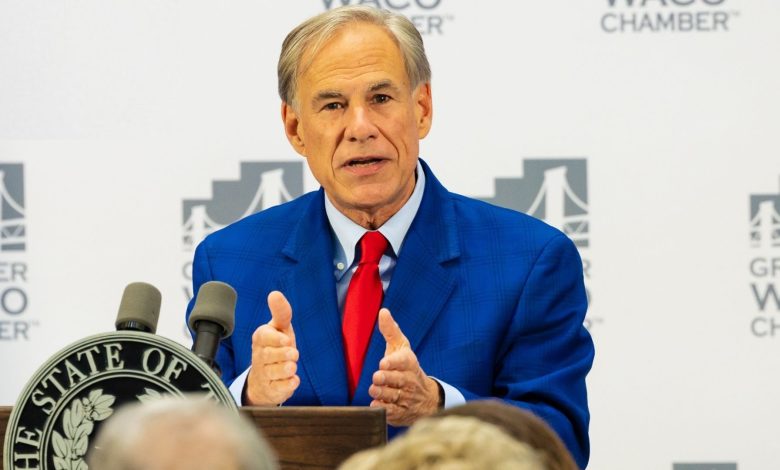
Texas – Texas Governor Greg Abbott has suffered a major political and legal setback after the Texas Supreme Court rejected his attempt to remove Democratic State Representative Gene Wu from office over the dramatic quorum break that disrupted the Legislature during the heated 2025 redistricting battle.
The ruling immediately triggered fierce reactions online, where many Texans accused Abbott of abusing his power and attempting to weaponize the courts against political opponents. The failed lawsuit had become one of the most controversial clashes in recent Texas political history, largely because no governor in the United States has ever successfully convinced a court to remove lawmakers simply for breaking quorum.
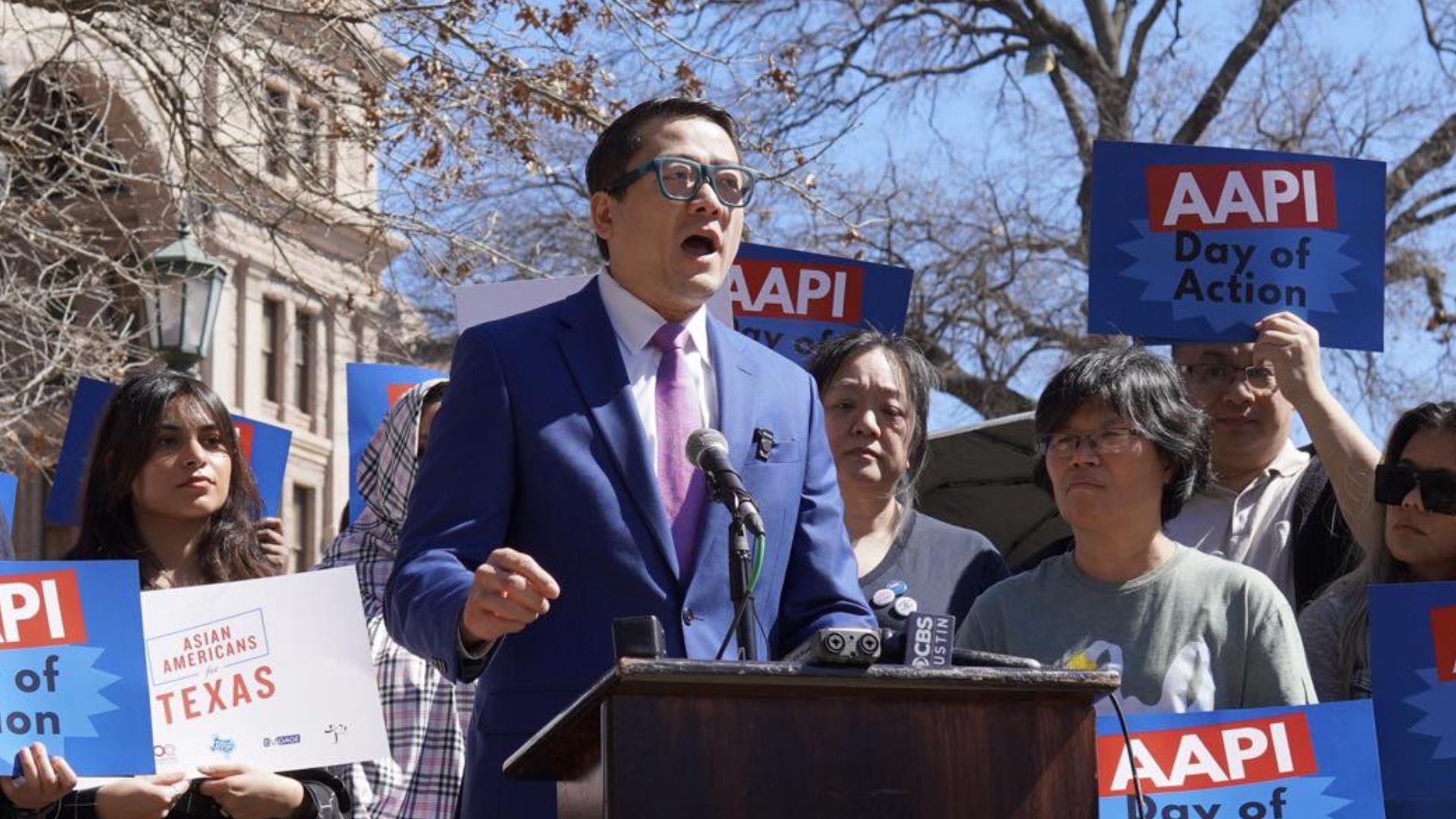
At the center of the fight was Gene Wu, the Democrat who led dozens of House Democrats out of Texas last summer in an effort to block Republicans from pushing through a new congressional map strongly backed by President Donald Trump and GOP leadership.
Republicans argued the redraw would strengthen their narrow U.S. House majority by creating five additional Republican-friendly congressional seats in Texas. Democrats, however, condemned the plan as a deliberate power grab designed to weaken Black and Hispanic voting influence across the state.
More than 50 Democratic lawmakers left Texas during the special session in August, denying the Legislature the number of members required to conduct official business. Abbott responded aggressively, vowing consequences for those who fled.
Supreme Court rejects Abbott’s effort
Abbott later filed an emergency petition accusing Wu of abandoning his office by leaving Texas and refusing to participate in the special session.
In court filings, Abbott claimed Wu had effectively walked away from his responsibilities after declaring “this corrupt special session is over” while Democrats remained outside the state long enough to stall legislative action.
“What is at stake here? Nothing less than the future of Texas,” Abbott argued in his filing. “If a small fraction of recalcitrant lawmakers choose to run out the clock today, they can do so for any, and every, Regular or Special Session, potentially bankrupting the State in an attempt to get their way.”
But despite Abbott’s aggressive legal push, the all-Republican Texas Supreme Court rejected the governor’s request.
Chief Justice Jimmy Blacklock, himself a Republican and former Abbott aide, wrote that courts traditionally avoid stepping into fights between the legislative and executive branches when lawmakers already possess internal tools to handle disputes themselves.
“The courts’ institutional ‘reluctance … to involve themselves in contests of factional political power,’ a reluctance we reiterate and reinforce today, is a check on the judicial power ‘of ancient standing,’ not an optional preference we are at liberty to discard,” Blacklock wrote.
The court concluded that the Legislature had already restored quorum and imposed penalties against absent Democrats without needing judicial intervention.
“Whatever wrong may have been committed by the absent House members, the Texas Constitution’s internal political remedies, none of which involve the judicial branch, were sufficient to the task of restoring the House’s ability to do business,” Blacklock added.
Still, the ruling stopped short of completely closing the door on future legal action against quorum breakers. Justice James Sullivan warned in a separate opinion that lawmakers attempting similar tactics again could face harsher consequences.
“Were it to happen yet again, I believe the next set of quorumbreakers had better be ready to pay us a visit,” Sullivan wrote. “Our original jurisdiction to issue writs of quo warranto will empower us to inquire whether they’ve abandoned their legislative offices and, if we so find, to throw them out.”
Texans erupt online after ruling
The ruling quickly exploded across social media, especially among Texas political communities online.
Many users harshly criticized Abbott, accusing him of trying to undermine democratic processes in order to secure political advantage.
One frustrated commenter wrote, “How about we throw Greg in the garbage and elect someone who actually gives a [expletive] and doesn’t wear their emotions as their entire personality.”
Others accused Republicans of attempting to manipulate the political system through redistricting and court pressure.
“They’re trying to corrupt the system as much as possible because they know they’re [expletive]. It’s illegal. If it goes through, I expect Americans to riot and take back their state,” another person wrote.
Some Texans argued Abbott’s outrage over quorum-breaking was hypocritical, noting that similar tactics have appeared throughout Texas political history.
“As if Texas Republicans haven’t done the exact same thing,” one commenter wrote.
Others defended Gene Wu directly for helping stall the redistricting effort.
“How dare Wu use the tools available to him to defy Abbott’s order to disenfranchise minorities!” another user posted.
Wu himself pushed back after the ruling, revealing he personally paid the fines connected to the quorum break. He also criticized the tone of modern politics inside Texas government.
“I really miss having adults in the room in government. Yes, this is politics, but this is serious,” Wu said.
Redistricting battle likely far from over
Although Abbott’s lawsuit appears finished, the political war surrounding Texas redistricting is clearly not ending anytime soon.
The disputed congressional map was eventually approved after Democrats returned, and the U.S. Supreme Court later allowed the map to remain in place for upcoming midterm elections despite lower court concerns about racial gerrymandering.
The fight also highlighted how deeply divided Texas politics has become heading toward the next election cycle.
For Republicans, the quorum break represented Democrats abandoning their duties to block legislation voters elected lawmakers to pass. For Democrats and many critics online, Abbott’s lawsuit symbolized something much darker — an attempt to punish dissent and silence opposition during one of the most controversial redistricting fights in recent state history.
Now, even after the court defeat, the bitterness between Abbott and Texas Democrats appears only to be growing.