Texas political clash turns ugly as Ken Paxton withdraws from key lawsuit after calling comptroller an embarrassment

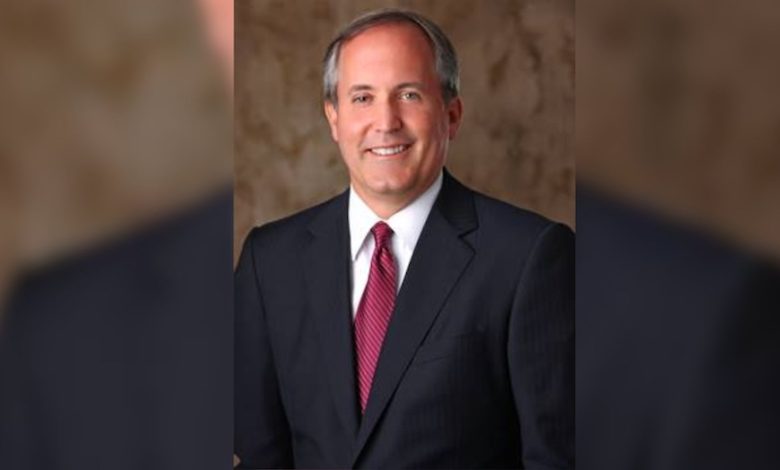
Texas – A legal battle over Texas’ controversial school voucher program has now turned into a bitter political clash, as Attorney General Ken Paxton moved to withdraw from a key lawsuit after launching a scathing attack on acting Comptroller Kelly Hancock, calling him an “embarrassment” and accusing him of sabotaging the state’s defense.
The lawsuit at the center of the dispute alleges religious discrimination tied to Texas’ $1 billion school voucher program, specifically over whether certain religious schools, including Islamic institutions, can receive public funds. The case has drawn heightened scrutiny due to its implications for how taxpayer money is distributed and whether constitutional protections are being upheld.
Feud erupts as legal strategy questioned
The situation escalated rapidly after Hancock sent a sharply worded letter criticizing Paxton’s handling of the case. In his message, Hancock argued that the attorney general’s office failed to present key arguments, including alleged connections between one of the schools involved, Houston Quran Academy, and the Muslim Brotherhood.
“The court cannot protect against threats it does not know exist,” Hancock wrote, expressing concern that critical details had been overlooked in court filings.
That criticism set off a chain reaction. Paxton responded forcefully, accusing Hancock of undermining the legal defense and turning what should have been a unified effort into a public dispute. In his reply, Paxton said Hancock’s “petty politics” had “single-handedly destroyed my ability to defend the Comptroller’s office in these cases.”
Paxton also claimed that Hancock’s actions, including the alleged leaking of internal communications, put sensitive legal strategies at risk and may have compromised attorney-client privilege. The attorney general did not hold back in his remarks, calling Hancock an “incompetent loser” and an “embarrassment” to his role as the state’s chief financial officer.
The clash did not emerge in isolation. Tensions between the two officials date back to 2023, when Hancock, then a state senator, voted to impeach Paxton on multiple charges brought forward by the Texas House. That history appears to have added fuel to an already volatile situation.
Judge steps in to manage fallout
As the political feud spilled into the courtroom, U.S. District Judge Alfred H. Bennett was forced to step in to ensure the case could proceed without disruption. During a hearing on Thursday, Bennett said he would allow Paxton’s office to withdraw from representing the comptroller, but only after a replacement legal team is secured.
“I do not want the comptroller to be unrepresented,” Bennett said. “Not one day.”
The judge emphasized the urgency of maintaining continuity, noting that a key injunction hearing is scheduled for April 24. Any delay, he suggested, could complicate an already sensitive case involving significant public funding and constitutional concerns.
Bennett added that while the comptroller’s office has the right to “pick your own lawyers, that’s fine,” the transition must be handled carefully to avoid interruptions. He called for a “seamless transition,” underscoring the importance of keeping the legal process on track despite the internal conflict.
Officials from the attorney general’s office confirmed that Hancock’s team is now in the process of finding new legal representation. Neither office provided immediate additional comments following the hearing.
Broader implications and uncertain outcome
The dispute highlights deeper divisions within Texas’ Republican leadership, with two high-ranking officials openly clashing over both legal strategy and political direction. What began as a disagreement over courtroom tactics has now grown into a public breakdown that could have lasting consequences.
Attorneys representing the plaintiffs in the case welcomed the judge’s decision, stressing the importance of transparency and proper handling of the voucher program.
“This is the largest school voucher program in the country,” attorney Maha Ghyas said. “We have to ensure that the administration and disbursement of those funds are done in accordance with the law.”
At its core, the case remains unresolved. The lawsuit alleging religious discrimination is still moving forward, and the upcoming hearing will likely play a critical role in determining how the program is implemented and whether changes are required.
For now, the immediate outcome is clear: Paxton’s office will step aside once new counsel is secured, leaving Hancock’s office to defend itself in one of the most closely watched legal battles in Texas. But the political damage from this high-profile clash may linger far beyond the courtroom, raising questions about unity, leadership, and the future direction of state governance.