Capitol Hill braces for heated clash as Arizona and Texas Republicans rally behind sweeping deportation bill that could strip citizenship from naturalized Americans tied to terror acts

Texas – A new Republican-backed proposal is rapidly becoming a flashpoint in Washington, setting the stage for a fierce political fight over immigration, national security, and the limits of citizenship. The legislation, known as the DEPORT Act, is being pushed forward by a group of GOP lawmakers who argue that recent violent incidents expose serious gaps in the current system.
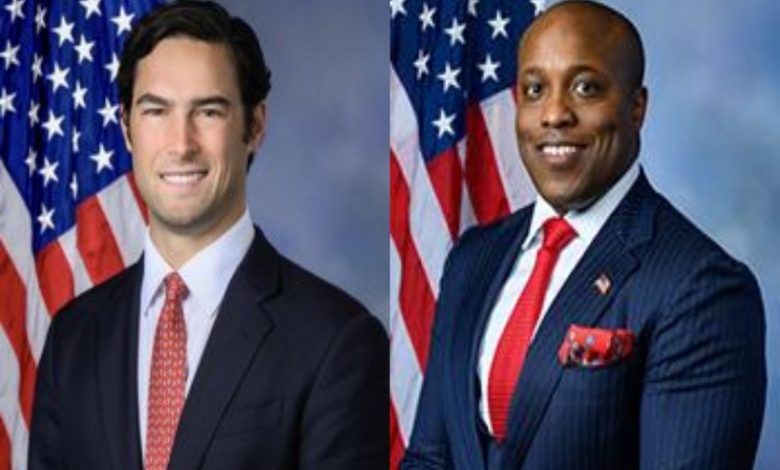
At the center of the effort is West Virginia Rep. Riley Moore, who introduced the bill following a deadly shooting that has since become a key example cited by supporters. Backing him are figures like Arizona Rep. Eli Crane, along with Texas representatives Brandon Gill and Wesley Hunt, all of whom are framing the proposal as a necessary response to what they describe as a growing threat.
A bill shaped by recent violence
The push for the DEPORT Act comes in the wake of a deadly attack at Old Dominion University. The suspect, Mohamed Bailor Jalloh, was a naturalized U.S. citizen originally from Sierra Leone. Prior to the shooting, he had already served time in federal prison for supporting ISIS. The attack left Army Lieutenant Colonel Brandon Shah dead and two students injured, shaking confidence in how such individuals are monitored after gaining citizenship.
Moore and his allies have also pointed to additional incidents in March to support their case. These include a shooting at a bar in Texas and a vehicle attack aimed at a synagogue in Michigan. In both situations, the suspects were reportedly naturalized citizens, reinforcing the argument from supporters that the current system may not be strict enough.
For backers of the bill, these cases are not isolated. They are being presented as part of a broader pattern that demands action.
What the DEPORT Act would change
The legislation introduces several significant changes to how citizenship and national security are handled. First, it would require individuals applying for U.S. citizenship to swear under oath that they have no intention of engaging in terrorism. While applicants already take oaths, this provision would explicitly tie the process to terrorism-related accountability.
Second, the bill seeks to extend the timeframe during which authorities can review potential fraud tied to terrorism. Currently set at five years, that window would double to ten, giving officials more time to uncover hidden ties or past actions.
Finally, the proposal would create a clearer legal path for revoking citizenship from individuals involved in lone-wolf attacks. This aspect is likely to draw the most attention, as it directly addresses cases where individuals act independently but still cause significant harm.
Supporters frame it as urgent and necessary
Backers of the bill are not holding back in their language. Crane, in particular, emphasized what he sees as a troubling trend.
“Over recent years, we’ve seen an alarming increase in naturalized immigrants engaging in or abetting terrorism,” he said, arguing that the legislation would strengthen the process and make it easier to remove those who pose a threat.
Gill took a firmer stance, making it clear that he views any link to terrorism as disqualifying. “We have no room for terrorist sympathizers in our great nation. I am proud to cosponsor Rep. Riley Moore’s DEPORT Act.”
Hunt, pointing directly to the Texas incident, framed the bill as a matter of public safety. “This legislation is common sense. It should be a no-brainer,” he said, suggesting that the proposal is less about politics and more about protecting communities.
Concerns quietly linger
While the bill is gaining support among Republicans, similar proposals in the past have raised concerns about due process and government overreach. Critics often argue that stripping citizenship is one of the most severe actions the government can take, and any expansion of that power must be carefully examined.
So far, no major organized opposition to this specific bill has fully formed in public. However, as it moves through Congress, scrutiny is expected to grow. Questions around how evidence is handled, how decisions are made, and what safeguards exist will likely become central to the debate.
A broader battle ahead
The DEPORT Act is not just another piece of legislation — it is quickly becoming a symbol of a much larger argument unfolding on Capitol Hill. Immigration policy, national security, and civil rights are all colliding in a single proposal, ensuring that the debate will be intense and closely watched.
With Republicans rallying behind the measure and recent incidents fueling urgency, the path forward could be fast-moving. Yet the stakes are high, and the outcome could reshape how citizenship itself is understood in the United States.
As lawmakers prepare for what promises to be a heated clash, one thing is clear: this bill has opened a new chapter in the ongoing fight over immigration — one that is unlikely to fade quietly.