Dallas City Council reviews progress on plans to host FIFA World Cup 2026 events and broadcast center

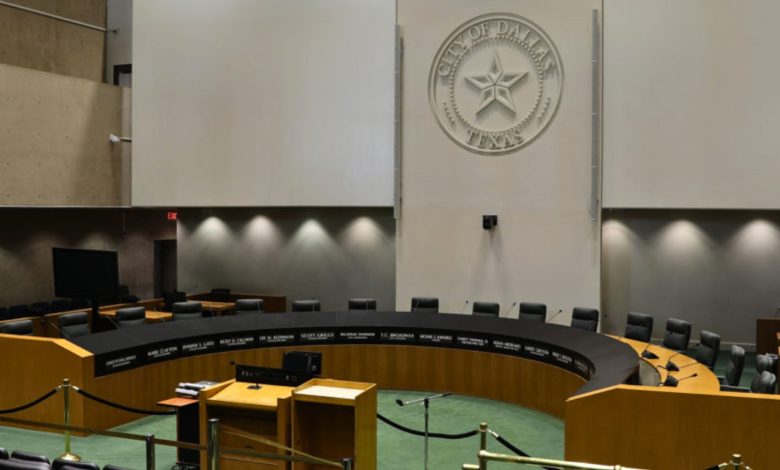
Dallas, Texas – In a detailed update presented to the Dallas City Council, city leaders laid out the steady and wide-ranging preparations underway for FIFA World Cup 2026. With Dallas selected as one of the host cities for the global tournament, the City is working across departments and with regional, state, and federal partners to ensure that Dallas is fully ready to welcome international guests, media, and athletes while securing long-term community gains.
Cross-Agency Planning Moves Forward
The briefing stressed that the City of Dallas is taking a broad, interdepartmental approach to its World Cup readiness. This includes coordination with FIFA, regional host cities, transportation agencies, emergency response units, and other stakeholders. Each effort is designed to streamline event operations and make sure all logistics—from public safety to infrastructure upgrades—are in place ahead of the tournament.
A significant portion of the update focused on the International Broadcast Center (IBC), which officially became operational on January 14. The IBC is a major project for FIFA’s global coverage of the event, and city staff worked across departments to make the site ready. These efforts not only improve the current facility but are also expected to benefit the surrounding area beyond the World Cup. Capital improvements connected to the IBC project are being made with long-term use in mind, tying into broader city development goals.
“Today’s briefing reflects the steady, methodical work underway to ensure Dallas is prepared to host events associated with the FIFA World Cup 2026,” said City Manager Kimberly Bizor Tolbert. “Our goal is to deliver a safe, successful international event while maximizing economic and community benefits for Dallas residents.”
Preparing for a Global Audience and Long-Term Growth
City officials highlighted several key priorities during the update, including finalizing transportation plans, evaluating public safety measures, and preparing for the high volume of international visitors. The city is also working to strengthen communications systems, improve mobility access, and develop security frameworks. Legacy planning remains a key focus, with an emphasis on ensuring that infrastructure and economic developments tied to the event benefit residents long after the final match is played.
The World Cup is expected to attract millions of spectators and generate large-scale economic activity throughout North Texas. As a result, Dallas leaders are taking a long-view approach—aligning tournament-related projects with ongoing city priorities.
Officials reassured council members and the public that planning will continue in a responsible and inclusive manner. City staff will deliver regular updates as the countdown to FIFA World Cup 2026 continues.