Career-ending scandal looms over Texas congressman Gonzales as explosive report reveals alleged pressure and repeated advances toward campaign aide

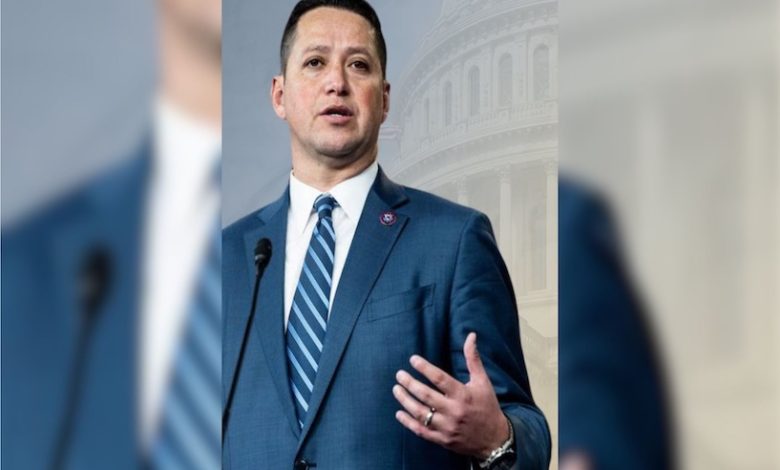
Texas – Career-threatening allegations are now surrounding Texas Congressman Tony Gonzales, as newly uncovered messages and past controversies collide to form what critics describe as a growing pattern of misconduct involving female staffers. While there are no criminal charges filed at this time, the “case” against Gonzales centers on claims of inappropriate behavior, potential abuse of power, and violations of ethical standards tied to his role as a public official.
The reason behind the escalating scrutiny stems from multiple reports, including newly revealed text messages from 2020, which allegedly show Gonzales pursuing a campaign aide during his first run for Congress. These messages, combined with his admitted 2024 relationship with a subordinate, have triggered a formal investigation by the House Ethics Committee into whether he violated rules prohibiting relationships with staff and whether he granted any special treatment.
Pattern of allegations stretches back years
According to reporting, Gonzales allegedly sent repeated and explicit messages to a campaign aide who served as his political director. The exchanges reportedly included persistent requests for nude photos and escalating remarks, even after the staffer declined multiple times.
Among the messages published were deeply personal and explicit statements, including “What kind of panties do you wear,” “squeeze my b–ls,” and “What do you like in the bedroom? What’s off limits?” Another message reportedly read, “If I come over though your panties are coming off, though.”
Despite clear refusals — including a direct “nope” from the staffer — Gonzales allegedly continued pressing forward. At one point, he wrote, “I know what I want and won’t stop until I get it,” a line that has drawn particular attention as critics point to concerns about pressure and power imbalance.
The aide later said the messages made her feel “relentlessly” pursued, though she emphasized that the relationship never became physical. Reflecting on why she chose to speak out, she said, “I felt like I had to say something.” In a separate comment, she added, “He obviously pursued, pursued, pursued her like he did with me. I never took him serious…It wasn’t until this poor girl died that I thought, ‘No, this guy is pure evil.’”
These revelations have added new weight to an already explosive situation involving Gonzales’ admitted affair with former district director Regina Santos-Aviles in 2024.
Earlier scandal intensifies fallout
The 2024 relationship became public through text messages and police records, sparking widespread backlash and raising questions about workplace conduct. Under House rules, relationships between members of Congress and their staff are strictly prohibited, though the same rules do not clearly apply to campaign staff — a gray area that complicates the current investigation.
Messages tied to that relationship reportedly included Gonzales asking for a “se-y pic” and engaging in explicit conversations. Initially denying the affair, Gonzales later admitted to it, calling it a “lapse in judgment.”
“I made a mistake and I had a lapse in judgment and there was a lack of faith, and I take full responsibility for those actions,” Gonzales said in an interview. “Since then, I’ve reconciled with my wife Angel. I’ve asked God to forgive me which he has and my faith is as strong as ever.”
Santos-Aviles died in September 2025 after setting herself on fire, a death ruled a suicide by authorities. There is no suggestion that her death was connected to the relationship, and Gonzales himself stated he had “absolutely nothing” to do with her death and had not spoken to her since June 2024. Still, her passing brought renewed attention to the relationship, especially after her husband released messages that fueled concerns about the nature of their connection.
Political fallout and uncertain future
The mounting controversy has already had major consequences. Facing intense pressure from both within his party and the public, Gonzales announced in March that he would not seek reelection, effectively ending his congressional career after three terms. Senior Republicans have distanced themselves, while the House Ethics Committee continues its investigation into possible misconduct, including whether Gonzales abused his position or violated ethical standards.
Experts note that even if some actions fall into legal gray areas, the pattern described in reports raises broader concerns about workplace behavior, accountability, and the power dynamics between elected officials and those working under them.
However, the political outcome is already unfolding. Gonzales’ decision to step away from reelection marks a significant turning point, even as the ethics investigation remains ongoing. As the case continues to develop, it stands as one of the most closely watched political scandals of the current cycle — one that raises deeper questions not only about one lawmaker’s conduct, but about the systems meant to hold power accountable.