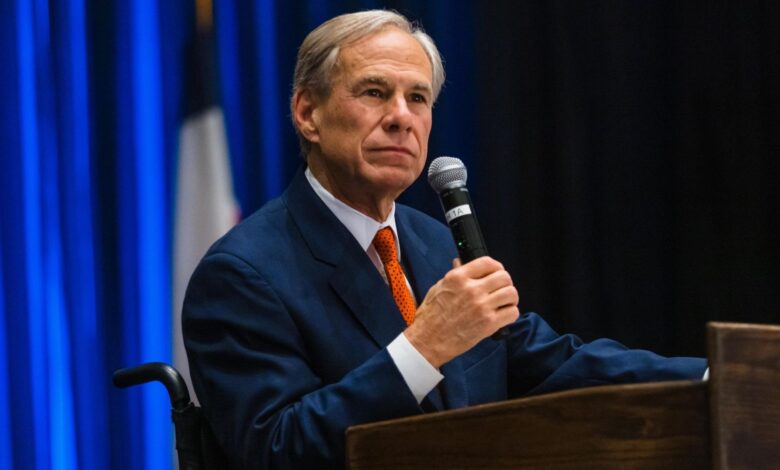
Abbott’s once-comfortable lead shrinks as new poll shows Republicans can no longer ignore Democrat Gina Hinojosa’s momentum
Texas – Texas Republicans are beginning to face a reality that once seemed unlikely: Gov. Greg Abbott may still be the favorite, but the governor’s race is no longer looking untouchable for the GOP.
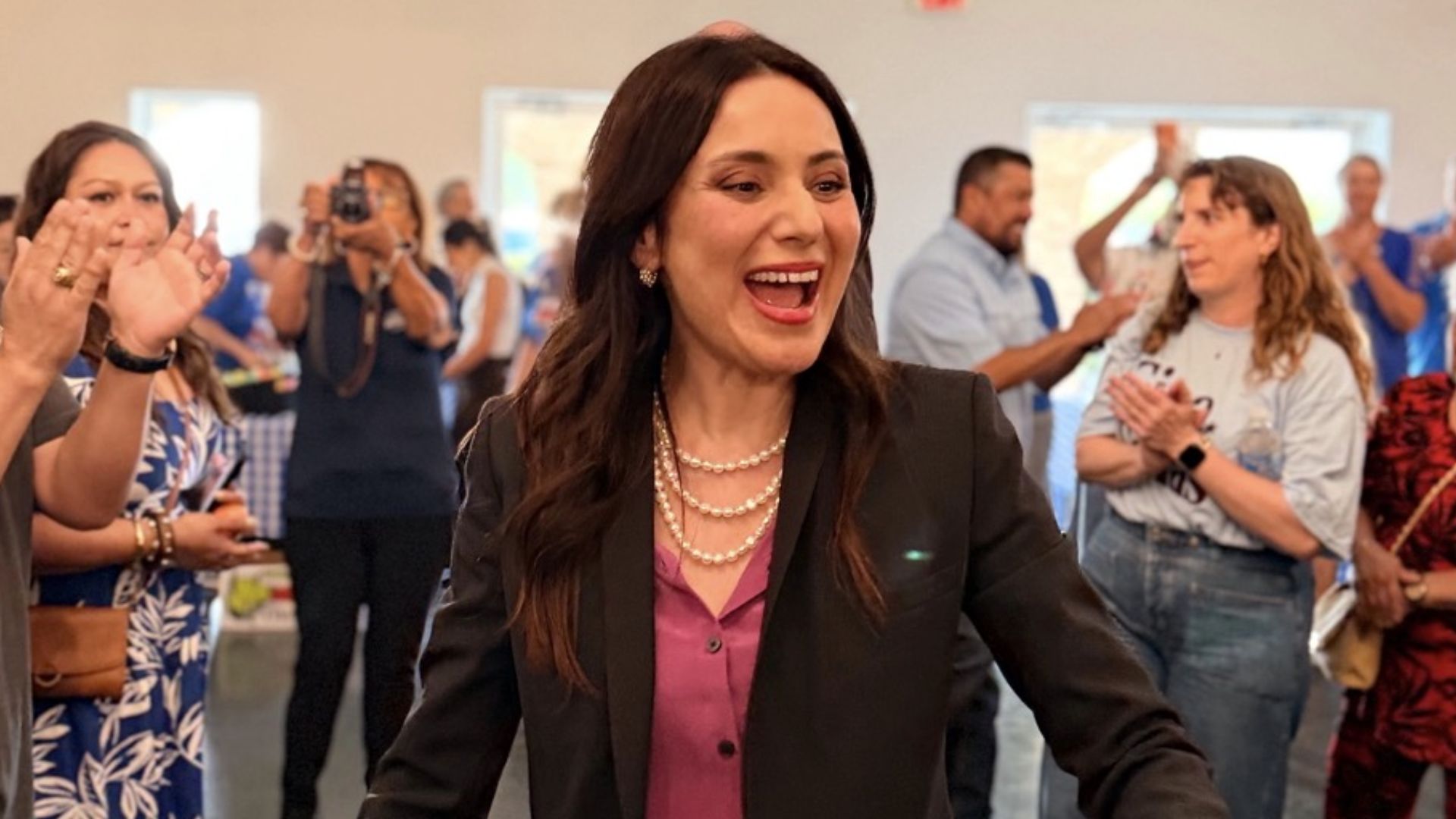
A new Texas Public Opinion Research survey conducted between April 17 and April 20 found Abbott leading Democratic challenger Gina Hinojosa by just five points, 48% to 43%, among 1,018 likely general election voters. With the poll carrying a margin of error of plus or minus 3.3 percentage points, the numbers immediately fueled new discussion about whether Democrats are finally building real momentum in a state Republicans have dominated for decades.

The poll contained another warning sign for Abbott. Hinojosa reportedly performed better among independents and moderate voters, while Abbott continued relying heavily on traditional Republican strength statewide. No Democrat has won a Texas governor’s race since 1990, making the challenge historically difficult. Still, recent polling trends suggest Republicans are no longer dismissing Hinojosa as a long-shot candidate.
The Democrat has centered her campaign on affordability, healthcare, and public education, while repeatedly attacking Abbott’s support for school voucher programs. Hinojosa, who grew up in the Rio Grande Valley, previously worked as a civil rights and labor attorney before serving on the Austin ISD school board and later winning election to the Texas House.
Her campaign argues that rising costs are becoming impossible for many families to ignore. “Every poll tells the same story: Texans are tired of working more and getting less,” said Hinojosa. “Latino families, working families, families in every corner of this state are watching their grocery bills, their insurance premiums, and their property taxes go up while Greg Abbott hands billions to his donors. We hear it everywhere we go, Texans are ready for a governor who will put them first.”
Democrats see an opening
The newest numbers did not emerge in isolation. Hinojosa’s campaign has pointed to several recent surveys showing Abbott under pressure in areas Republicans typically dominate comfortably.
According to her campaign, internal polling released earlier this year showed the race within three points statewide. Separate polling from Emerson College and the Hobby School at the University of Houston also reportedly showed single-digit margins.
One of the most striking numbers came from Texas’ 23rd Congressional District, a district Donald Trump reportedly carried by 15 points in 2024. A March Public Policy Polling survey showed Hinojosa tied with Abbott there at 48-48, something Democrats quickly seized on as evidence of movement in traditionally Republican territory.
Her campaign also highlighted polling showing strong support from Latino voters, with one Latino-focused survey reportedly placing her ahead of Abbott by 19 points among those voters. “Texans of every background and in every region are ready to fire Greg Abbott. Abbott has never been more vulnerable — and this race is only getting closer.”
Despite the growing Democratic optimism, Abbott still enters the race with major structural advantages. He remains one of the strongest Republican incumbents in the country and continues to hold a massive financial edge over Hinojosa.
According to a January report from The Texas Tribune, Abbott had more than $105 million available for the race, while Hinojosa had raised roughly $1 million during the opening weeks of her campaign.
Abbott’s reelection strategy has largely focused on public safety, conservative governance, and expanding state oversight powers, including proposals targeting local prosecutors. His campaign also continues leaning heavily on incumbency and the broader Republican strength Texas has maintained for years.
Still, the political atmosphere appears more competitive than many Republicans expected. Abbott remains ahead, but the conversation around the race has shifted from whether Democrats can compete to whether the gap could continue narrowing as the campaign intensifies.
For Republicans, that alone represents a significant change.