Texas AG Ken Paxton sues DFW area roofing company accused of taking over $500,000 from customers without completing work

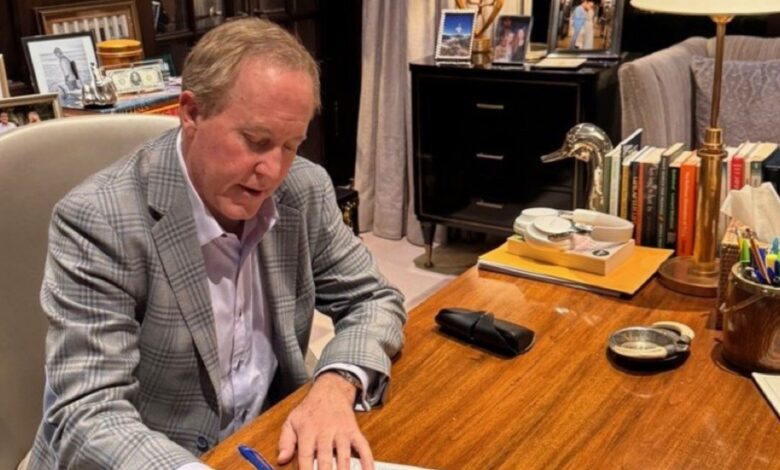
Fort Worth, Texas – Texas Attorney General Ken Paxton has filed a lawsuit against a Dallas-Fort Worth area roofing company accused of taking large payments from customers, including elderly Texans, while allegedly failing to complete promised work.
The lawsuit targets Rubinsky Roofing, LLC and its owner, Gilad Rubinsky. According to the legal complaint, the company used aggressive and misleading business practices to secure roofing contracts, particularly after storms when homeowners were dealing with property damage and insurance claims.
State officials allege that Rubinsky Roofing accepted thousands of dollars from consumers for roof repair and replacement jobs that were either repeatedly delayed or never finished at all. The company, founded in 2018, mainly operated throughout the Dallas-Fort Worth Metroplex and frequently handled projects tied to insurance-funded storm damage claims.
Investigators say many customers were left frustrated after paying significant amounts of money upfront. Complaints described long delays, unanswered questions, and repeated excuses from the company while homeowners waited for work to begin or be completed.
“It’s disheartening and unacceptable for a company to prey on consumers and elderly Texans through deceptive sales tactics and by taking money for work that is never completed,” said Attorney General Paxton. “I have filed this lawsuit to seek justice for the victims of this illegal scheme. I will ensure that this roofing scam does not continue. My office will work to protect Texans from fraudulent schemes that take advantage of families during times of need, including following severe storms and property damage.”
Customers Report Thousands Lost
According to the lawsuit, some victims lost tens of thousands of dollars after trusting the company with roofing projects connected to insurance payouts.
One homeowner allegedly paid more than $24,000 for a roof replacement that was delayed multiple times before the work was ultimately never performed. Another customer reportedly handed over a $10,000 insurance check only for the project to sit unfinished for months afterward.
Officials also say one victim was hit with hidden breach-of-contract charges totaling roughly $7,500. The state claims the company used confusing contract terms and high-pressure sales tactics that left consumers trapped in difficult situations.
Investigators further allege that Rubinsky Roofing repeatedly contacted potential customers through persistent phone calls and text messages while making misleading statements about the urgency of roofing repairs. Authorities claim these tactics were especially harmful for elderly Texans who may have felt pressured into signing agreements quickly.
Reports gathered during the investigation indicate that dozens of additional consumers may have experienced similar treatment. State officials estimate that nearly $500,000 connected to paid roofing work was never completed.
The company’s reputation also appeared to suffer publicly. According to the Attorney General’s Office, the Better Business Bureau revoked Rubinsky Roofing’s accreditation in January 2026 after receiving a wave of customer complaints.
State Seeks Penalties and Restitution
Paxton’s lawsuit seeks injunctive relief aimed at stopping the company from continuing its alleged roofing scheme. The state is also asking for restitution for affected consumers along with civil penalties tied to alleged violations of the Texas Deceptive Trade Practices Act.
The legal action represents another attempt by the Attorney General’s Office to crack down on businesses accused of taking advantage of Texans recovering from storm damage and other emergencies. Officials say the case is intended not only to recover money for victims but also to prevent similar conduct from affecting additional families in the future.