DNC under fire after profanity-laced post targeting Stephen Miller triggers backlash from conservatives and even some Democrats

Texas – The Democratic National Committee found itself at the center of a growing social media controversy this week after a post from its official X account sparked criticism from political opponents and even some voices on the left.
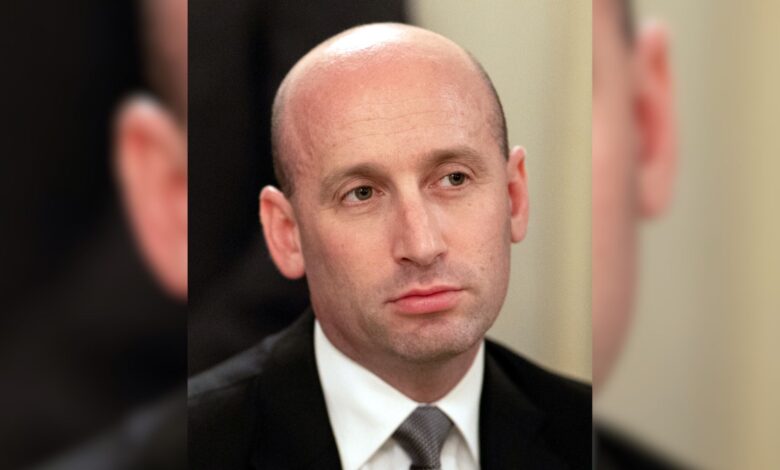
The uproar began Wednesday when the DNC’s official account responded to White House policy adviser Stephen Miller with a blunt insult that quickly spread across social media. The post, which read, “Shut up, you ugly f—“, came after Miller mocked Texas Democratic Senate candidate James Talarico in a post of his own.
shut up you ugly fuck
— Democrats (@TheDemocrats) May 27, 2026
Miller had taken aim at Talarico while commenting on the Texas Senate race, writing, “The Democrats made history in Texas by nominating their first transgender senate candidate,” a remark directed at Talarico’s appearance.
The Democrats made history in Texas by nominating their first transgender senate candidate. https://t.co/KaGDLn2naP
— Stephen Miller (@StephenM) May 27, 2026
What might have otherwise remained another political exchange online quickly escalated into a broader debate about political rhetoric, party messaging, and the increasingly aggressive tone being adopted by some political organizations on social media.
Conservatives Quickly Pounce
The DNC post immediately became a target for conservative commentators, who accused Democrats of abandoning the civility they have often called for in political discourse.
Among the first to respond was Katie Miller, Stephen Miller’s wife, who directly targeted the individual she claimed operated the Democratic Party’s account. “Paulina Mangubat is who runs the Democrats’ account. She’s 30, unmarried with no kids. Put your name on it next time,” Miller wrote. She then added, “This is what a sad, unhappy female liberal looks like. It’s why Pew reports 50% of them have been diagnosed with a mental condition.”
Other conservative figures rapidly joined the criticism. Media personality Benny Johnson argued that the exchange exposed hypocrisy within Democratic messaging. “This is the party that spent years lecturing America about civility, unity and healing. The party that cried when Trump was ‘mean’ on Twitter. This is who they really are. And they wonder why they keep losing,” Johnson said.
Several other prominent conservative voices also weighed in. “The official Democratic Party,” Libs of TikTok posted while highlighting the exchange. Radio host Dana Loesch mocked the strategy behind the post, writing, “I’m sure this will get the votes you need.” Conservative commentator Caleb Hull added, “Hilarious these are the same people that complain about Trump being mean.” Meanwhile, Manhattan Institute Vice President Jesse Arm criticized what he viewed as poor political messaging, posting, “This is where the median Democratic staffer’s comms instincts are.”
Even Some Democrats Push Back
While most of the immediate criticism came from conservatives, the post did not receive universal support from Democrats.
One Democratic strategist publicly expressed frustration over the DNC’s decision to engage in the exchange. “As a lifelong Dem who’s donated free consulting to House Dem staffers, I find this so, so embarrassing for us. We complain about the right’s behavior, and now we’re doing stuff like this? Come on, Democrats. Do better,” Jack Appleby wrote.
As a lifelong Dem who’s donated free consulting to House Dem staffers & visited the White House during the Biden years:
I find this so, so embarrassing for us.
We complain about the right’s behavior, and now we’re doing stuff like this?
Come on, @TheDemocrats. Do better. https://t.co/53kFdoONQl
— Jack Appleby (@jappleby) May 27, 2026
That criticism highlighted an ongoing debate within Democratic circles about how aggressively the party should confront Republicans online.
Some Democrats argue that years of political attacks from opponents require a more combative response. Others worry that mimicking the style they often criticize could alienate voters and undermine broader party messaging.
Talarico Campaign Responds
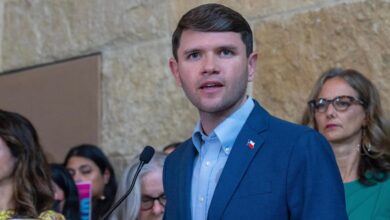
The controversy began because of Miller’s remarks about Texas Senate candidate James Talarico, who is preparing for a high-profile race in a state Democrats have struggled to win statewide for decades.
Representatives from Talarico’s campaign pointed to their own online response rather than directly addressing the DNC post.
The campaign dismissed Miller’s comments as “Talarico Derangement Syndrome,” borrowing from the phrase “Trump Derangement Syndrome,” which Trump and his supporters have frequently used to criticize opponents.
Not everyone focused solely on the DNC’s response. Some left-leaning voices challenged Miller’s original comments about Talarico.
The progressive account Occupy Democrats defended the Texas Democrat and pushed back on the characterization. “To point out the incredibly obvious here: James Talarico is not transgender. He is a cisgender, heterosexual Christian man with a loving girlfriend. Of course, even if he were trans (or nonbinary or gay or any other identity), that would in no way affect his ability to serve the people of Texas. What matters are his politics.”
Part of a Broader Strategy?
The incident comes as some Democratic organizations and elected officials increasingly embrace a sharper, more confrontational online style.
In recent months, party-affiliated accounts and prominent Democrats have adopted a more aggressive tone when responding to Republicans. Supporters argue that the approach energizes voters and counters years of attacks from conservative media and politicians.
Critics, however, say it risks making political discourse even more toxic while distracting from policy debates.
The DNC exchange is far from the only recent example. California Gov. Gavin Newsom’s rapid-response social media account has repeatedly used profanity against critics, including telling a conservative reporter earlier this year to “f— off.”
Whether voters view the new approach as refreshing or reckless remains unclear. What is clear is that the DNC’s brief post generated far more attention than its authors may have expected, igniting criticism from opponents, concern from some allies, and another heated debate over how America’s political parties communicate in the social media era.