Texas Attorney General vows to uncover whether food giants used loopholes that allowed dangerous glyphosate residues to reach millions of children

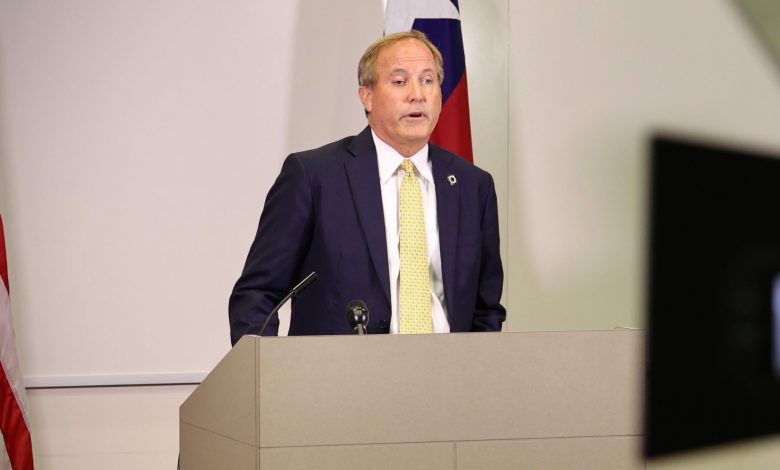
Texas – Texas Attorney General Ken Paxton has launched a broad investigation into the presence of glyphosate residue in food products, saying the effort is focused on determining whether consumers, especially children, are being exposed to harmful substances and whether companies have misled the public about the safety of certain products.
The announcement follows the issuance of Civil Investigative Demands, commonly known as CIDs, to several major pesticide and food manufacturers. Among the companies receiving requests for information are Bayer, the maker of Roundup, and food giant PepsiCo.
According to Paxton’s office, the investigation will examine the role glyphosate may play in food products sold to consumers and whether manufacturers are complying with Texas law.
Focus On Glyphosate Exposure
Glyphosate is the primary ingredient in Roundup weed killer and is one of the most widely used herbicides in the world. It is commonly applied to genetically engineered crops and has become a major topic of debate among regulators, scientists, manufacturers, and public health advocates.
The Attorney General’s office noted that the International Agency for Research on Cancer classified glyphosate as a probable human carcinogen in 2015.
Officials also pointed to research that has associated glyphosate exposure with a variety of health concerns, including endocrine disruption, infertility, kidney disease, autoimmune disorders, and cancer.
According to the information released by the state, more than 250 million pounds of glyphosate are sprayed annually throughout the United States.
Research cited by the Attorney General’s office indicates that detectable traces of glyphosate are now present in more than 70 percent of American adults. By comparison, that figure was reportedly only 12 percent in 1993.
Concerns About Food Products Marketed To Children
A significant portion of the investigation appears to center on how glyphosate enters the food supply.
State officials highlighted the agricultural practice known as desiccation, in which herbicides are applied to crops shortly before harvest to help them dry more uniformly.
According to the Attorney General’s office, scientists believe this practice accounts for more than 90 percent of the glyphosate found in food products, particularly foods containing oats.
While the Environmental Protection Agency prohibits the use of glyphosate as a desiccant on oats grown in the United States, officials say some food manufacturers obtain oats from foreign countries where the practice remains legal.
Because oats are common ingredients in cereals, breakfast bars, cookies, and similar products, state officials expressed concern about children’s exposure.
The attorney general’s office stated that studies have identified certain products marketed toward children among the most glyphosate-contaminated food products available in the country.
Officials further noted that research suggests children between one and two years old experience the highest dietary exposure to glyphosate of any age group.
The investigation will also examine whether products marketed as healthy may contain significant levels of glyphosate despite health-related advertising claims.
Investigation Seeks Accountability
Paxton said the inquiry is aimed at determining whether corporations have taken advantage of regulatory gaps while exposing consumers to potentially harmful substances.
“If any corporation is using regulatory loopholes to poison our kids with glyphosate, we will find out and we will secure justice,” said Attorney General Paxton. “My office is also investigating whether major food companies are complying with Texas law and whether consumers, especially parents, have been misled about the health claims of common food products marketed to their families. No corporation is above the law, and no illegal action will go unpunished.”
The investigation remains ongoing. Officials have not announced any allegations of wrongdoing against specific companies, but the attorney general’s office indicated it will continue reviewing information gathered through the civil investigative demands as it evaluates compliance with state law and potential consumer protection concerns.