House GOP’s immigration gamble hits a wall as Chip Roy and other conservatives demand permanent reforms or risk bringing the bill down entirely

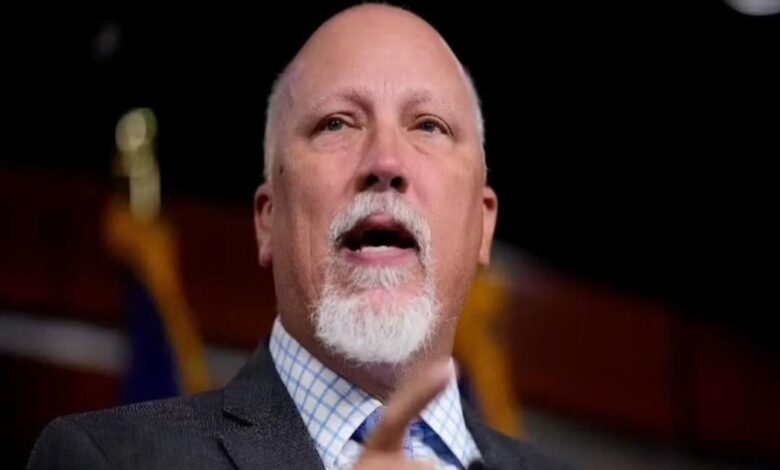
Texas – House Republicans entered the week hoping to move forward with a Senate-backed immigration enforcement package, but growing resistance from within their own ranks has placed the effort in serious doubt. At the center of that opposition is Texas Rep. Chip Roy, whose objections have turned attention toward a broader debate inside the Republican Party over whether temporary enforcement measures are enough or whether Congress must lock immigration changes into law before celebrating any victory.
The uncertainty has left Republican leaders scrambling to determine whether they have enough support to clear a key procedural hurdle required before the legislation can even reach the House floor. While party leaders continued working to secure votes, several lawmakers remained unconvinced, creating a difficult situation for Speaker Mike Johnson and his leadership team.
For Texas Republicans, the dispute carries particular significance. Immigration has long been one of the state’s most important political issues, and many conservative lawmakers from Texas have argued that stronger border policies must be accompanied by permanent legal reforms if they are to have lasting effects.
Roy emerged as one of the most vocal critics of the current proposal. While supporters view the legislation as a meaningful step toward tougher immigration enforcement, Roy argued that it does not go far enough to guarantee long-term change.
“We’re literally bending over backwards just to get back to the status quo and to remove people that are just going to come back in four years under the next administration, because we’re not codifying anything,” Roy said.
His comments highlighted a concern shared by some conservatives who fear that policies implemented today could be reversed by a future administration. In their view, enforcement measures alone are not enough unless they are paired with legislative changes that remain in place regardless of who occupies the White House.
The concerns are not limited to Texas lawmakers. California Rep. Kevin Kiley also signaled opposition to the bill, making clear that he would not support it without reforms being formally enacted. His stance added another obstacle for Republican leaders already facing a narrow margin for error.
Adding to the challenge was uncertainty surrounding attendance. With primary elections taking place in four states on Tuesday, leadership was closely monitoring member availability. Even a small number of absences could prove significant if support for the legislation remains divided.
Texas Republicans play a key role in the debate
The debate has underscored the influence Texas lawmakers continue to have within the Republican conference. Roy’s opposition has drawn particular attention because of his standing among conservatives and his willingness to challenge leadership when he believes legislation falls short of Republican priorities.
At the same time, another Texas Republican has been involved in a separate but potentially important effort that could shape the party’s future agenda.
As questions lingered over the immigration bill, Republicans also began taking early steps toward another major legislative package that some lawmakers have started referring to as “Reconciliation 3.0.”
The Republican Study Committee held a briefing Monday evening with nonpartisan legislative scoring officials to examine the financial framework that could be used to build another party-line measure. The goal was not to finalize legislation but rather to begin gathering information and preparing for future policy discussions.
Texas Rep. August Pfluger, who chairs the Republican Study Committee, described the meeting as part of an effort to get ahead of the process and make sure lawmakers are working with reliable information as discussions develop.
The planning reflects a broader Republican focus on shaping policy ahead of the 2026 midterm elections. Even as leaders struggle to unify the conference around the immigration bill, many members are already looking ahead to the next major legislative battle.
New disagreements emerge over future Republican plans
Another sign of the divisions inside the party emerged during a separate meeting in Speaker Johnson’s office.
During those discussions, House Freedom Caucus Chairman Andy Harris raised the possibility of including partisan pieces of the traditional appropriations process within a future reconciliation package. The suggestion reportedly generated concern among some Republican appropriators, illustrating how difficult it may be to reach consensus even on future legislation.
Johnson acknowledged that the idea had been discussed but stopped short of endorsing it. His response reflected the cautious approach leadership has taken while trying to balance competing factions within the conference.
Majority Leader Steve Scalise also emphasized that Republicans remain a long way from settling on a final strategy, saying the party is “far from agreement on 3.0.”
Those comments reveal a larger challenge facing House Republicans. The party remains united on many broad goals, particularly regarding border security and immigration enforcement, but disagreements continue over how those goals should be achieved and how permanent the resulting changes should be.
For now, the immediate focus remains on whether leaders can secure enough votes to move the immigration bill forward. Yet the debate sparked by Roy and other conservatives has already exposed deeper tensions that extend well beyond a single piece of legislation.
What began as an effort to advance an immigration enforcement measure has evolved into a wider argument about the Republican Party’s future direction. Texas lawmakers are playing a central role in that discussion, pushing for reforms they believe will survive beyond the next election cycle. Whether leadership can bridge those differences may determine not only the fate of the current bill but also the party’s ability to advance its broader agenda in the years ahead.