Jannah Theme License is not validated, Go to the theme options page to validate the license, You need a single license for each domain name.
Texas News

“Hardworking Texans” at center of explosive tax battle as Ken Paxton launches aggressive action against more than 130 cities

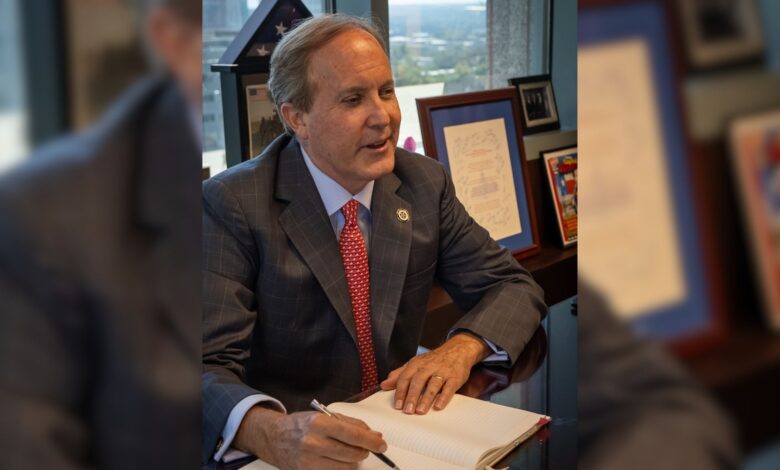
Texas – Texas Attorney General Ken Paxton has launched a sweeping crackdown against more than 130 cities across the state, accusing local governments of failing to meet financial transparency standards while still attempting to raise property taxes on residents. The aggressive move has opened a major political and legal fight over taxes, audits, and how far the state can go in forcing local governments to comply with new reporting rules.

The enforcement campaign follows the passage of SB 1851 during the 2025 legislative session, a law that dramatically tightened requirements for municipalities seeking to increase property tax collections above the “no-new-revenue” rate. Under the law, cities that fail to comply with state financial audit and transparency rules are prohibited from adopting higher tax rates.

Paxton’s office says many cities failed those requirements.

Last month, the Attorney General’s Office launched a massive statewide investigation involving more than 1,000 Texas municipalities. Officials demanded documents and financial records in order to determine whether cities were following the new law.

According to Paxton, the review uncovered more than 130 cities that allegedly failed to provide required audits or meet financial transparency benchmarks for the upcoming fiscal year.

Now those cities have received formal violation determination letters warning them they cannot raise ad valorem property taxes above the no-new-revenue rate and could face penalties under the law.

Statewide investigation sparks major confrontation

The move immediately placed dozens upon dozens of cities under scrutiny, from small rural towns to larger communities spread throughout Texas.

The cities named by Paxton’s office were Alpine, Aspermont, Baird, Balch Springs, Balmorhea, Bedias, Berryville, Big Spring, Bishop, Blooming Grove, Blue Mound, Briarcliff, Brookside Village, Buffalo Gap, Calvert, Cameron, Campbell, Centerville, Chico, Chireno, Clarksville, Clear Lake Shores, Combine, Corrigan, Crane, Cross Timber, Crowell, Crystal City, Cuero, Dalhart, Danbury, De Leon, Eagle Lake, Elkhart, Eureka, Eustace, Fairfield, Farwell, Flatonia, Franklin, Fritch, Fulton, Gordon, Grandfalls, Gregory, Groesbeck, Groom, Hale Center, Hamilton, Hearne, Hempstead, Higgins, Hillcrest Village, Horizon City, Howardwick, Howe, Huntington, Industry, Ingleside On the Bay, Jewett, Jonestown, Keene, Kemah, Kenedy, Kerens, Kermit, Lamesa, Livingston, Lott, Lumberton, Manvel, Marquez, McCamey, Megargel, Menard, Mertzon, Mexia, Miami, Midway, Miles, Mount Enterprise, Natalia, New Home, New Waverly, Newcastle, Oyster Creek, Paducah, Panorama Village, Pelican Bay, Pleak Village, Plum Grove, Port Lavaca, Quanah, Red Lick, Redwater, Rockdale, Rocksprings, Roma, Rusk, San Elizario, San Felipe, San Perlita, Seabrook, Shepherd, Smiley, Snyder, Somerville, Southmayd, Spring Branch, Spur, Sterling City, Stinnett, Sunray, Surfside Beach, Taft, Tehuacana, Texas City, Texline, Three Rivers, Tiki Island, Tom Bean, Tool, Turkey, Valley Mills, Valley View, Victoria, Weslaco, Weston Lakes, Wharton, Wickett, Wimberley, Wolfe City, Woodloch, Yantis, and Yoakum.

The sheer size of the list quickly turned the issue into one of the largest state-versus-local-government clashes Texas has seen in recent years.

Paxton framed the crackdown as a direct defense of taxpayers struggling with rising costs and growing frustration over property taxes.

“I will not allow cities to unlawfully raise taxes on hardworking Texans. That is why I took aggressive action against over 130 Texas cities to hold them accountable and ensure they comply with state law,” said Attorney General Paxton.

He also warned cities that failing to meet audit obligations would come with consequences.

“Cities cannot fail to abide by state audit requirements without consequences. My office will continue to aggressively enforce Texas law to protect taxpayers across the state.”

The Attorney General’s Office made clear this may only be the beginning. Officials said the investigation remains ongoing and more municipalities could eventually be added to the non-compliance list as records continue to be reviewed.

New law reshapes local tax power

At the center of the dispute is SB 1851, which Republicans pushed as part of a broader effort to tighten oversight of local governments and limit property tax increases.

The law ties tax authority directly to transparency compliance. Cities that fail to submit proper financial audits or required reports lose the ability to raise taxes beyond the no-new-revenue level, which is designed to collect roughly the same amount of property tax revenue as the previous year.

Supporters of the measure argue it creates accountability and prevents local governments from increasing taxes while operating without proper financial oversight.

Critics, however, worry the law could create major financial pressure on cities already struggling with staffing shortages, delayed audits, or administrative backlogs.

For many municipalities, the concern is not simply political embarrassment but also practical budgeting problems. Cities often rely on modest tax increases to cover infrastructure repairs, emergency services, police funding, and rising operational costs tied to inflation.

Paxton’s enforcement effort now threatens to limit that flexibility.

The Attorney General’s Office insists the issue is straightforward: cities must follow the law before asking taxpayers to contribute more money.

Officials say the law gives clear authority for enforcement actions and penalties against municipalities that fail to comply.

The growing fight also reflects a larger political trend in Texas, where state leaders have increasingly challenged the authority of local governments on issues ranging from immigration and policing to elections and taxes.

This latest dispute adds another layer to that battle, placing city officials directly against one of the state’s most aggressive conservative legal figures.

For taxpayers, the outcome could shape how local governments operate financially for years to come. For cities already struggling with budgets and compliance deadlines, the pressure is now mounting quickly.

And with Paxton signaling that additional investigations and enforcement actions are likely still ahead, many Texas municipalities may soon find themselves facing the same warning letters now landing across the state.

Show More

Related Articles