From chaos under Biden to calm under Trump: Illegal crossings at Texas border hotspot plunge to “55-year low” as officials credit crackdown for reversing Biden-era surge


Texas – Illegal crossings at one of the most talked-about points along the southern border have dropped sharply, marking a dramatic reversal from just a few years ago. At Eagle Pass, a location once defined by daily surges of migrants crossing the Rio Grande, activity has slowed to a near standstill. The shift, highlighted in a recent report, is now being framed by officials as a direct result of stricter enforcement under Donald Trump, drawing a stark contrast with conditions during the administration of Joe Biden.
Chris Olivarez on X
According to CBS chief correspondent Matt Gutman, the change is not subtle—it is sweeping. After “illegal crossings skyrocketed during the Biden administration,” he reported, they have now “fallen to a 55-year low.” That single comparison captures the scale of the transformation, turning what was once a symbol of strain into a place now described as unusually calm.
A Border Transformed Almost Overnight
For those on the ground, the difference is almost hard to believe. CBS reporter Camilo Montoya-Galvez described a scene that would have been unthinkable not long ago.
“Miles and miles of water divide the U.S. and Mexico here in Texas. While on the Rio Grande with Border Patrol, we did not see a single migrant,” he said. “Less than three years ago, this section of the border was the epicenter of a dire humanitarian crisis.”
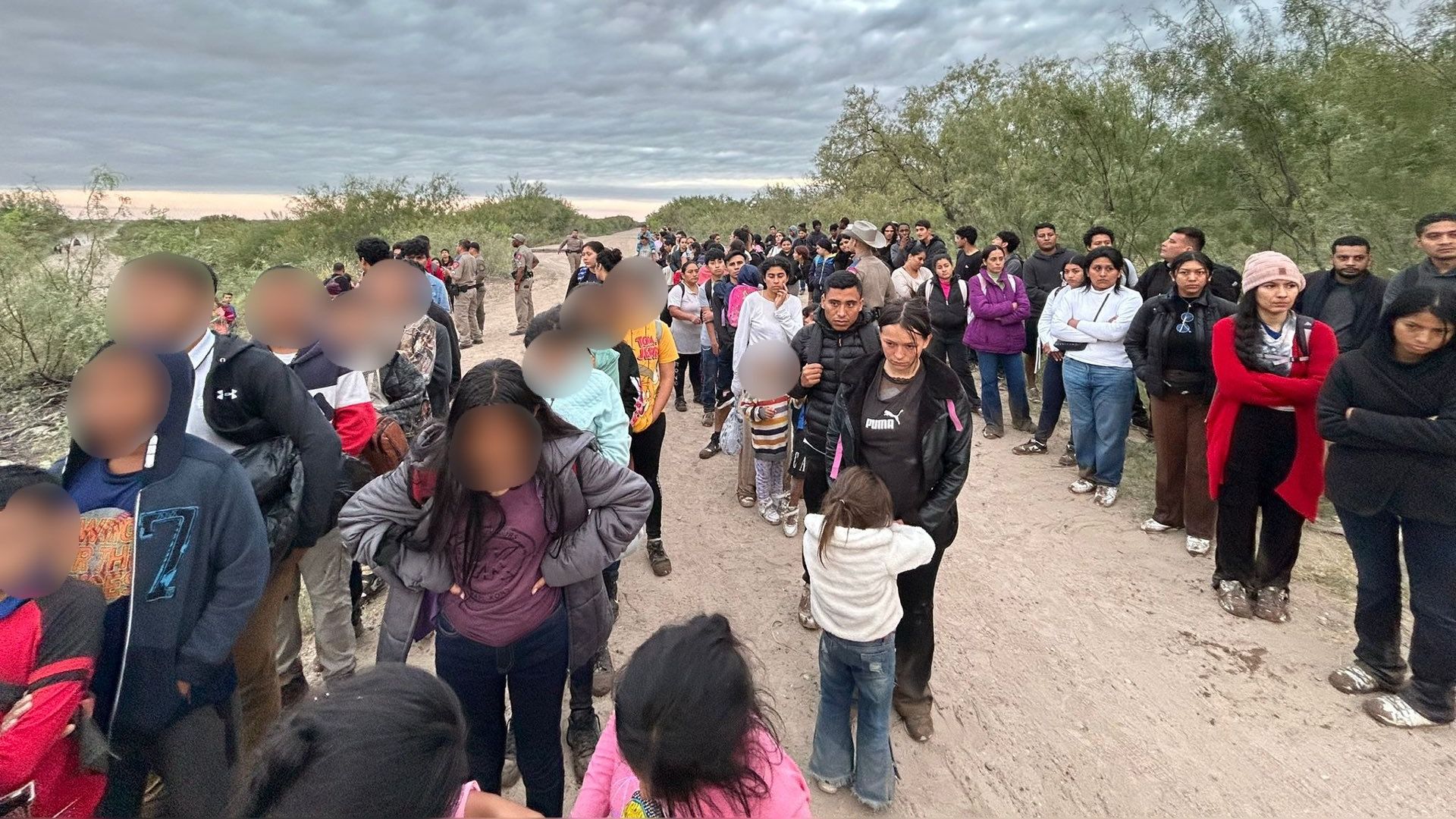
That contrast becomes even sharper when looking at past footage and firsthand accounts. “The last time we were here at the U.S.-Mexico border near Eagle Pass, we saw hundreds of people, including families with young children, cross the Rio Grande to enter the country illegally,” he explained. “Now the border is extremely quiet.”
Where thousands once crossed daily, officials now report only a fraction of that number. A local Border Patrol official estimated that there are currently around 32 apprehensions per day in that sector—a staggering drop from previous years.
Policy Shift at the Center of the Change
Officials attribute the decline to a major shift in how immigration is handled. Chief Patrol Agent Anthony Good pointed to a key difference between the two administrations.
“During the previous administration, there was a lot of what we just called ‘releases’ but they were paroled into the country, quickly, and in mass numbers,” he said.
That approach, he suggested, has now been replaced by stricter consequences.
“Now people are being detained or deported?” Montoya-Galvez asked.
“Exactly,” Good replied. “They’re being detained or deported.”
This change in enforcement appears to be shaping behavior before migrants even reach the border. A local fire department chief said the impact is visible not just in numbers, but in perception. According to him, fewer people are attempting the journey because they believe the outcome is already decided. As he put it, migrants have received the message that “if you come here, you’re going to get deported.”
Fewer Crossings, Fewer Tragedies
The slowdown has also had a measurable effect on safety. The same fire chief noted a sharp decline in drownings along the river. In previous years, reports of three to six deaths per day were not uncommon during peak crossings. Now, he said, “now we’re looking at, maybe, one drowning every three months.”
While he supported enforcing immigration laws, he also emphasized the need for humane treatment, underscoring that policy and compassion do not have to be in conflict.
Mixed Reactions From the Ground
Not everyone sees the situation the same way, but many who live along the border acknowledge the visible shift. A local rancher, who had previously dealt with migrants crossing his land and leaving behind belongings, was asked whether the drop in crossings was due to overly strict policies.
“Some would say the reason very few people are crossing the river behind us is because the Trump administration has been too harsh on immigration,” Montoya-Galvez said. “What do you think about that?”
The rancher’s answer was blunt: “If harsh is doing things legally, then harsh it is, and harsh it must be.”
That response reflects a broader divide in how the changes are being interpreted—whether as necessary enforcement or excessive force.
Media Reaction and Broader Implications
The report itself also drew attention. Curtis Houck, editor of NewsBusters, praised the coverage for presenting multiple viewpoints.
“Presenting both sides and including relevant visuals? It wasn’t that difficult and wholly in line with reporting based in reality,” he wrote.
Beyond the immediate reactions, the situation at Eagle Pass is now part of a larger national conversation. The drop in crossings raises questions not just about policy effectiveness, but about long-term consequences, humanitarian concerns, and political strategy.
A New Reality at the Border
What is clear is that the border, at least in this region, looks very different than it did just a few years ago. A place once defined by urgency, movement, and crisis has become, at least for now, quiet.
Whether that quiet represents stability or simply a pause in a longer cycle remains to be seen. But the shift from daily crossings in the thousands to just a few dozen has already reshaped the debate.
As policymakers, voters, and observers continue to argue over what it all means, one thing stands out: the story of Eagle Pass is no longer about chaos—it is about what comes after it.