Republicans brace for another explosive Iran war vote after Schumer accuses Trump of ignoring Congress and the Constitution

Texas – Political tensions stretching from Washington to Texas are beginning to collide with a growing Republican divide over President Donald Trump’s handling of the Iran conflict, as concerns over military escalation, rising economic costs, and constitutional authority intensify across Capitol Hill. What started as a foreign policy battle focused on Iran’s nuclear ambitions and regional security has increasingly transformed into a bitter political fight over war powers, taxpayer spending, and whether Congress has effectively surrendered its authority to the White House.
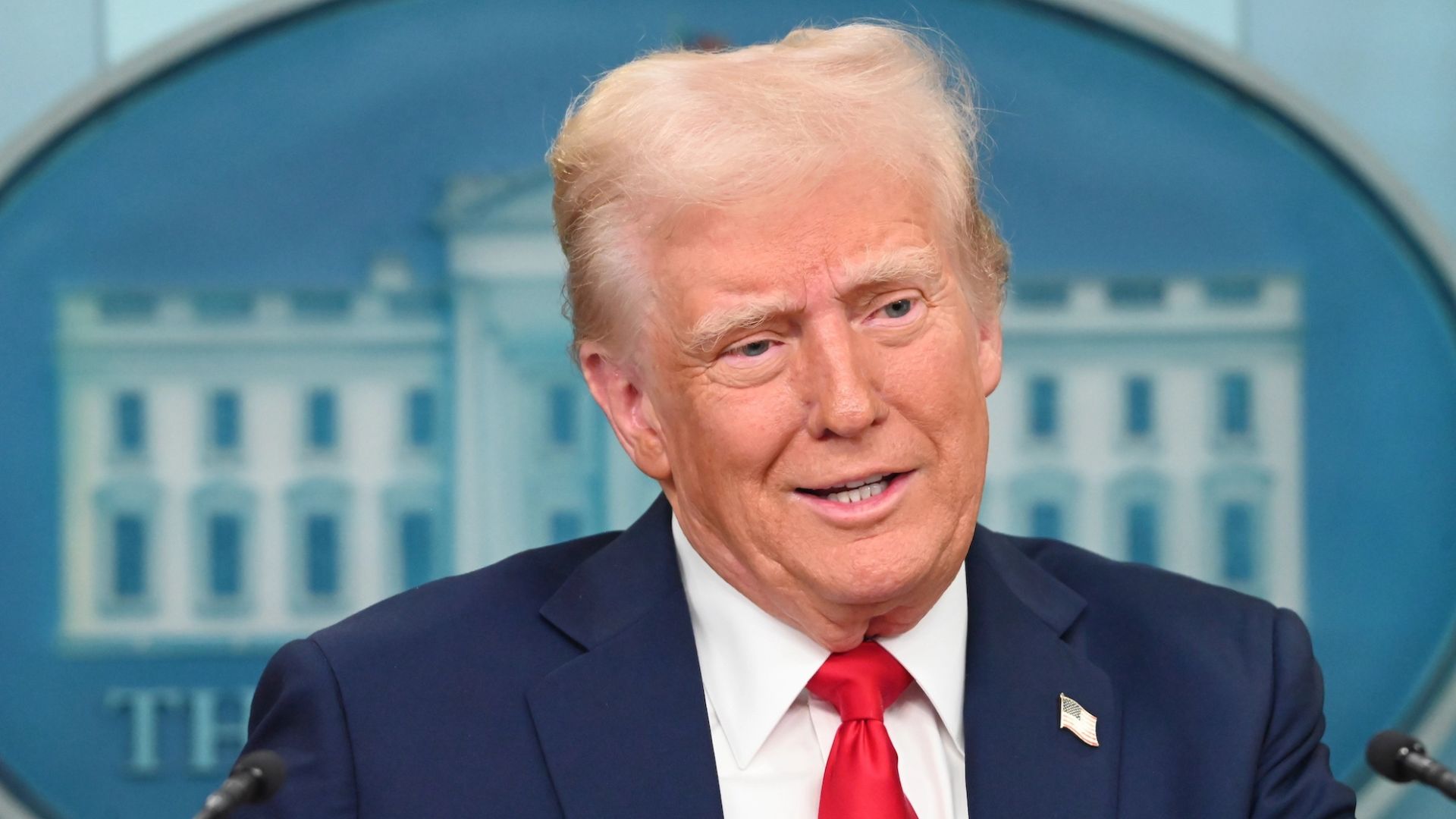
Some GOP members, including a Republican lawmaker from East Texas, have shown discomfort in recent weeks after Trump suggested the United States could wipe out the “whole civilization” of Iran if its leadership refused to comply with American demands. A Republican lawmaker from East Texas publicly distanced himself from the rhetoric, warning that such language risked inflaming an already dangerous situation. Now, Democrats are using those growing cracks inside the GOP to escalate pressure ahead of another explosive Senate showdown over the war.
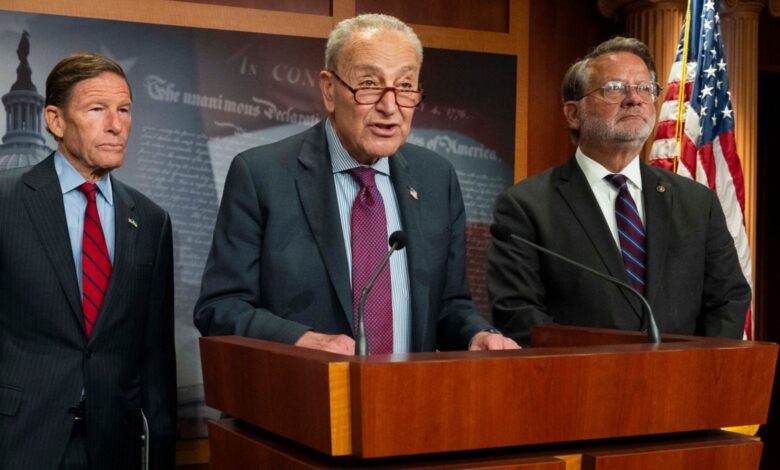
Senate Minority Leader Chuck Schumer intensified that battle Sunday night by accusing Trump of leading the country into an unauthorized military conflict while announcing Democrats would force yet another Senate vote aimed at ending U.S. involvement in the war.
“Trump dragged America into a war — an illegal, costly war without any goals or without any endgame — and has the nerve to call it a ‘mini-war,’” Schumer wrote on X on May 11. “The best way to lower costs and end this chaos is to end this illegal war: Democrats are forcing a seventh vote on our War Powers Resolution this week to withdraw U.S. troops from hostilities with Iran. If Republicans vote against our resolution, they will continue to bear the blame for Trump’s war.”
Democrats Turn Iran Conflict Into Major Political Weapon
The upcoming vote marks the seventh time Senate Democrats have attempted to force Republicans into taking a public position on the conflict. Every previous effort has been blocked by GOP senators, but Schumer made clear the strategy is no longer simply legislative — it is political.
Democrats want repeated votes on the issue heading into the midterm elections, hoping to tie Republicans directly to the war’s growing financial and human costs.
The resolution is backed by a large coalition of Democratic senators, including Tim Kaine, Cory Booker, Chris Murphy, Tammy Baldwin, Tammy Duckworth, Andy Kim, Jeff Merkley, Chris Van Hollen, and Kirsten Gillibrand.
At the center of the fight is the War Powers Resolution of 1973, which requires a president to end military involvement within 60 days unless Congress formally authorizes the conflict. American strikes against Iran began on February 28, 2026, meaning Democrats argue the administration has already crossed a constitutional line.
Republicans, however, have largely sided with the White House argument that the fragile ceasefire currently in place changes the legal situation enough to avoid mandatory congressional authorization.
Democrats reject that entirely.
“Donald Trump and his administration are endangering the lives of servicemembers and spending billions on an illegal war that is not supported by the majority of Americans,” Schumer said in a statement connected to the previous Senate vote. “The 60-day milestone underscores the pressing need to pass our War Powers Resolution to withdraw forces from this war, but to be clear — Congress should have acted weeks ago.”
Massive Costs and Rising Casualties Fuel Backlash
The war’s financial impact has become one of Democrats’ strongest arguments against the administration.
According to Pentagon testimony cited in late April, the conflict has already cost at least $25 billion. The estimate came from Jules Hurst, who is performing the duties of Pentagon comptroller.
That number immediately triggered outrage among Democrats, particularly after months of lawmakers demanding transparency about the true cost of the operation.
“I’m glad you answered that question. Because we’ve been asking for a hell of a long time, and no one’s given us the number,” said Rep. Adam Smith after the figure was finally disclosed.
The scale of the spending stunned many in Washington. The estimated cost now rivals NASA’s annual budget, while some earlier projections had suggested the first six days of fighting alone may have already cost more than $11 billion.
Defense Secretary Pete Hegseth defended the spending aggressively during congressional testimony.
“What would you pay to ensure Iran does not get a nuclear bomb? What would you pay?” Hegseth asked lawmakers while rejecting Democratic criticism of the operation.
But Democrats argue the administration continues minimizing a conflict that has steadily expanded.
Thirteen American service members have been killed since the war began, while hundreds more have suffered injuries. Tens of thousands of U.S. troops remain deployed throughout the Middle East, including the rare simultaneous deployment of three aircraft carriers in the region.
Meanwhile, the economic effects have spread far beyond military spending.
Gas prices surged to their highest level in nearly four years during the height of the conflict, while disruptions through the Strait of Hormuz pushed up fertilizer prices and intensified broader inflation concerns already frustrating voters across the country.
Schumer has repeatedly described the war as both a military and political disaster.
“This war is a colossal failure,” he said during a separate press conference. “Trump should end the war now. The only viable solution is a lasting diplomatic one.”
Republicans Face Growing Pressure
Despite Democratic unity, Republicans still appear to have enough votes to block the latest resolution just as they did the previous six times.
Still, the political atmosphere surrounding the issue has shifted dramatically.
Trump’s approval ratings have weakened since the conflict began, public frustration over costs continues growing, and Democrats are now openly preparing to make every Republican vote on the war part of their election messaging strategy.
“Congress must reassert its authority, especially at this dangerous moment,” Schumer declared earlier. “No president, Democrat or Republican, should take this country to war alone — not now, not ever.”
With another Senate clash now looming, Democrats are making clear they have no intention of letting the Iran war disappear from public debate — especially as the price tag, casualties, and constitutional questions continue mounting.