City of Fort Worth to launch new reuse program and expand recycling with EPA grant funding

Fort Worth, Texas – The City of Fort Worth has received a significant boost in its efforts to modernize waste management, thanks to a $4.8 million grant awarded through the U.S. Environmental Protection Agency’s Solid Waste Infrastructure for Recycling (SWIFR) program. This funding will support major advancements in recycling systems and introduce new programs to reduce landfill waste while increasing public participation in reuse and recycling.
At the heart of the initiative is Fort Worth’s new Reuse Program and Recycling Enhancement Project, which focuses on diverting more usable materials from landfills, improving the quality of recyclable items collected from residents, and giving the public more tools and education to support sustainable waste practices.
Reuse and Recycling Improvements Across the City
As part of the project, the city will pilot a reuse program at two key Drop-Off Stations — Old Hemphill and Hillshire — allowing residents to leave behind quality, reusable items like furniture and electronics for others to pick up and use. These items, once destined for landfills, will now have the chance for a second life within the community.
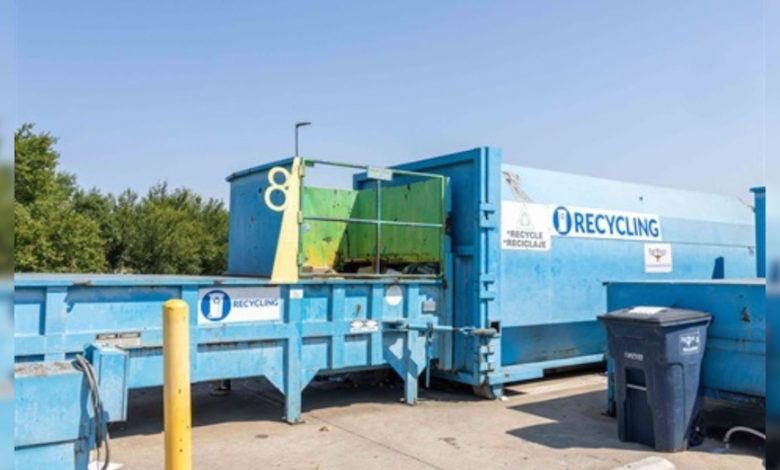
To support better recycling operations, four new compactors will be acquired — one for each of the city’s Drop-Off Stations — to allow for better separation and processing of cardboard. In addition, the Old Hemphill station will receive key site upgrades to enhance recycling efforts for scrap metal and tires.
Educating Residents and Reducing Contamination
Education is also a cornerstone of the city’s plan. A portion of the funding will go toward expanding community outreach for three years, helping residents better understand curbside recycling and reduce contamination. Updated electronic signboards will be installed at all four Drop-Off Stations to promote recycling tips, solid waste awareness, and proper disposal habits.
Together, these improvements are expected to make a noticeable impact on Fort Worth’s ability to manage waste more efficiently, reduce environmental impact, and provide residents with more convenient and informed recycling options.
This effort, supported by the SWIFR grant, reflects Fort Worth’s commitment to building a cleaner, more sustainable city through smarter infrastructure and better public engagement.