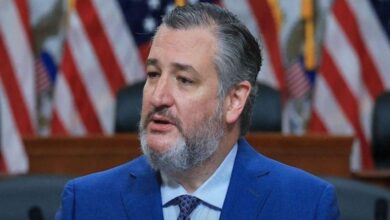
Gov. Abbott criticized after rejecting federal summer food assistance program for nearly 4 million Texas children

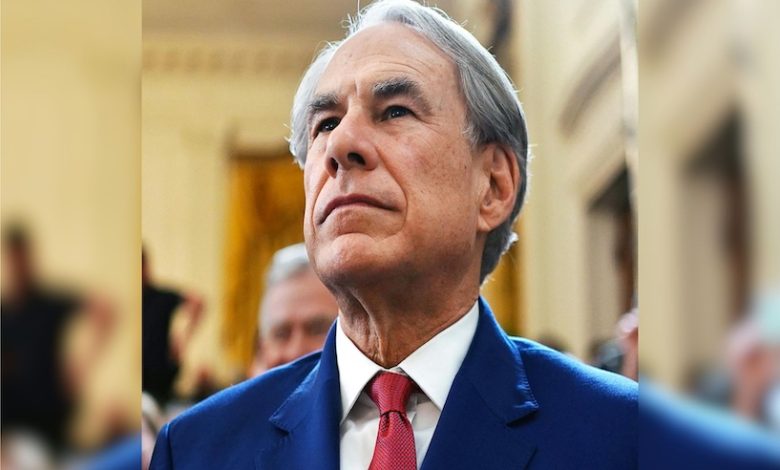
Texas – Texas Governor Greg Abbott is facing mounting backlash after vetoing funding tied to a federal summer meal assistance program that could have helped millions of low-income children across the state.
The decision has triggered anger from Democrats, community advocates, and many Texans online, with critics accusing the governor of turning away hundreds of millions of dollars that could have provided food support during the summer months when children are out of school.
According to reports, Abbott rejected a $60 million budget allocation connected to the Summer Electronic Benefits Transfer program. The proposal had been included in Senate Bill 1, which outlines Texas’ 2026-27 budget plans.
Had the measure survived, roughly 3.75 million Texas children would have qualified to receive $120 each to help families cover meal costs while schools are closed during summer break.
Supporters of the program argued the impact would have stretched far beyond the initial state investment because approval would also have unlocked at least $400 million in federal funding for Texas.
Instead, the veto has now placed the future of the program in doubt.
Democrats and Texans react with anger
The reaction was immediate and intense, especially online where many Texans questioned the governor’s priorities.
Democratic state Representative Armando Walle strongly criticized the decision, calling the veto “baffling” given the number of children who could have benefited from the assistance.
On social media, frustration quickly exploded into a broader political argument over how state leaders are handling issues tied to poverty and family support.
One Reddit user wrote: “So here’s what you get from GOP leadership in Texas – no lunches for poor kids. Because subsidies for billionaires and oil companies are much more important than feeding kids.”
Another commenter mocked Republican messaging around family values, writing: “Thank you, Governor Abbot, for demonstrating what the party of family values really thinks about kids.”
Some responses became even harsher as outrage spread.
“Hungry children are vulnerable children. MAGA loves to prey on those,” one user posted.
Others connected the decision to broader conservative policies surrounding abortion and social welfare.
“They can only live in the womb, apparently,” another commenter wrote.
One frustrated user added bluntly: “No surprise here. Abbott hates kids.”
The comments reflected growing anger among some Texans who viewed the veto as unnecessary, particularly because much of the funding would have come from federal sources rather than directly from state taxpayers.
Program’s future now uncertain
The Summer Electronic Benefits Transfer program was designed to help families bridge a difficult financial gap that often appears once schools close for summer vacation.
For many low-income households, school meal programs provide a major source of nutrition during the academic year. Summer months can place additional pressure on already stretched family budgets, especially as grocery prices remain elevated across the country.
That reality is one reason the veto generated such a strong emotional response online.
Critics argued the program represented a relatively small state investment compared to the size of the federal support Texas could have received in return.
Supporters also warned that children in rural communities and lower-income urban areas could be hit hardest if the program disappears entirely.
At the moment, it remains unclear whether Texas officials will attempt to revive the program through another funding path or if the assistance effort will simply collapse moving forward.
Families who previously relied on similar summer food programs are now left waiting for answers.
The controversy also arrives during a period when economic pressures remain high for many Texans dealing with rising housing costs, grocery bills, and inflation concerns.
As criticism continues building, Abbott’s opponents are using the veto as another example of what they see as misplaced Republican priorities in Texas politics.
Meanwhile, supporters of the governor have largely defended broader efforts to reduce spending and limit government expansion, though the food assistance decision itself has sparked unusually emotional reactions even beyond traditional political circles.
For many Texans following the debate, the issue has become less about budget details and more about what role government should play when it comes to helping struggling children.
One social media user summarized that frustration in a short but widely shared comment: “Richest country in the world right here.”