NY Sen. Gillibrand turns up pressure on Trump administration after Pete Hegseth dismisses alarming Iran war polling during explosive hearing exchange

Texas – A deep fracture is beginning to show inside the Republican Party, and it is no longer just about policy — it is about tone, limits, and identity. Rep. Nathaniel Moran, a Republican lawmaker from East Texas, recently pushed back against President Donald Trump after Trump suggested the United States could wipe out the “whole civilization” of Iran if its leaders refused to comply with American demands.
Moran, who had previously supported military action, drew a sharp line this time. “So, let me be clear: I do not support the destruction of a “whole civilization.” That is not who we are, and it is not consistent with the principles that have long guided America,” he said. Other Republicans also voiced concern. Sen. Lisa Murkowski called the rhetoric unacceptable, warning that it “cannot be excused away as an attempt to gain leverage in negotiations with Iran..” Rep. Kevin Kiley added, “The United States does not destroy civilizations. Nor do we threaten to do so as some sort of negotiating tactic.”
At the same time, some Republicans continued standing firmly behind Trump. Rep. Jodey Arrington praised the president, saying, “thank God we have a commander in chief who is not full of empty rhetoric.” The divide inside the party is becoming harder to ignore.
Now that split is colliding with another growing problem for the administration: public anger over the Iran war itself.
Explosive Senate hearing puts Hegseth under pressure
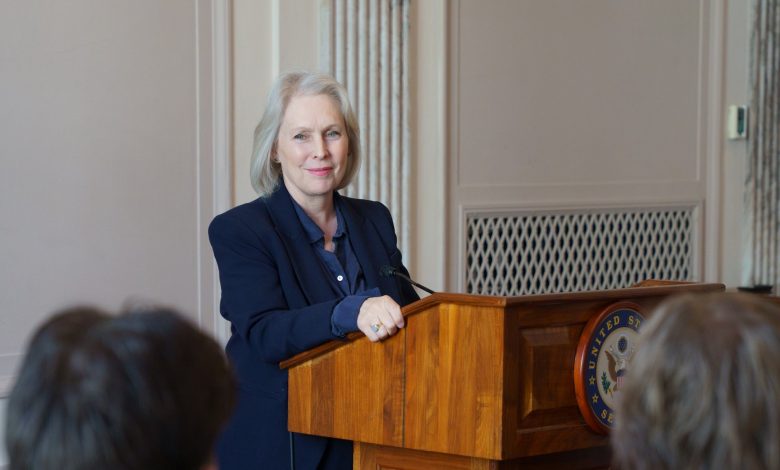
New York Sen. Kirsten Gillibrand intensified that pressure after an explosive confrontation with Defense Secretary Pete Hegseth during Senate Armed Services Committee hearings on April 29 and 30.
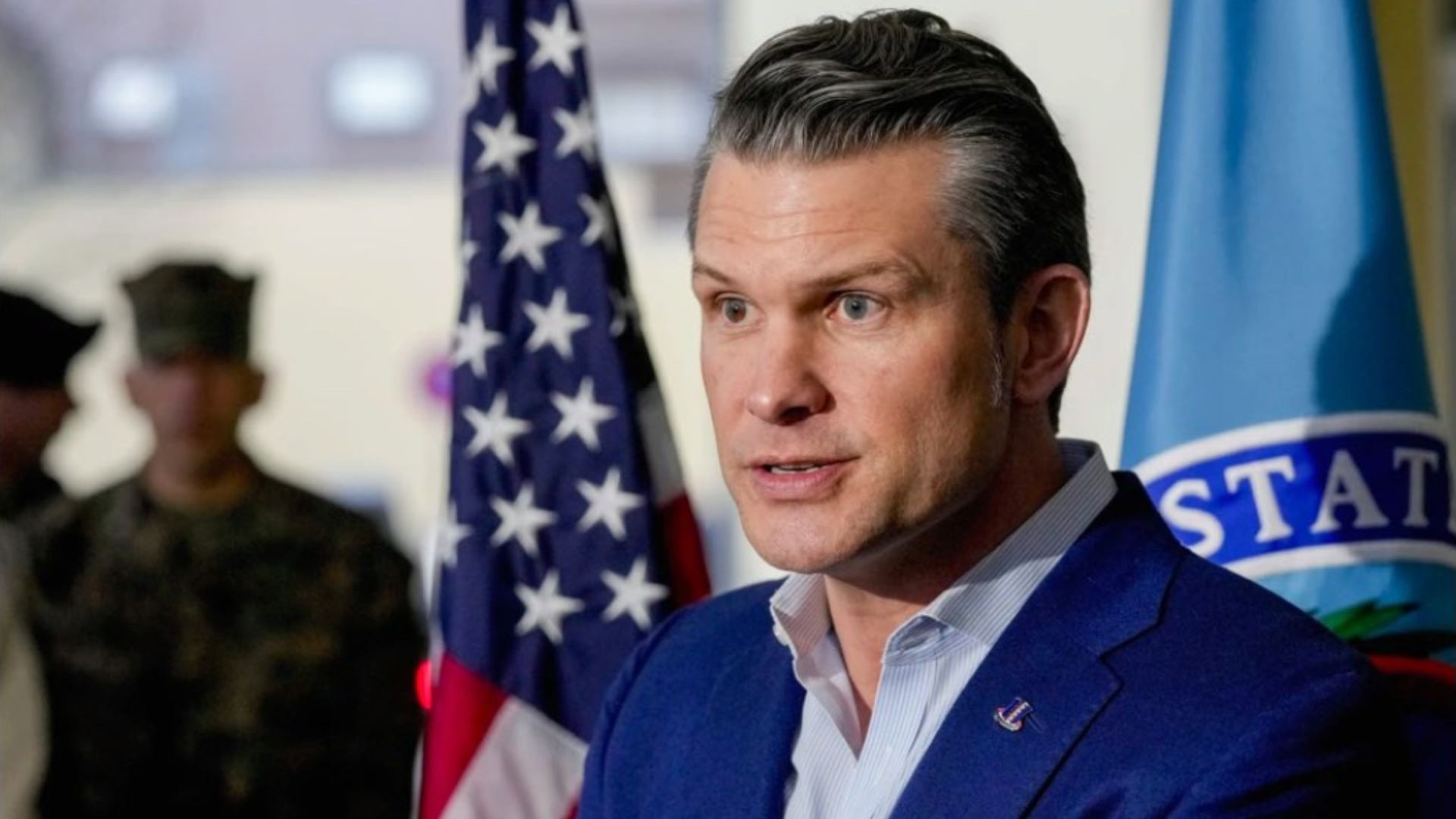
The hearings were already tense. Hegseth appeared alongside acting Pentagon Comptroller Jules Hurst to defend the administration’s proposed fiscal year 2027 defense budget, a staggering $1.5 trillion request representing a 50% increase over current spending levels. But the discussion quickly shifted toward the Iran conflict, mounting troop risks, economic fallout, and collapsing public support.
Gillibrand directly challenged Hegseth over polling showing most Americans oppose the war. “Why do you continue to prosecute a war that the American people aren’t behind?” she asked.
Hegseth defended the military campaign by saying troops and many Americans he speaks to are “grateful for a president who has the courage to take on this threat.” He described the operation as “a defined mission set that we have had great success in pursuing against a determined enemy who seeks nuclear weapons.” Gillibrand repeatedly interrupted him. “So you don’t care,” she said. “You don’t care that the American people don’t support this war.”
The exchange quickly became one of the most talked-about moments from the hearings. Hegseth never directly addressed the polling numbers Gillibrand referenced. Instead, he insisted the administration still had “the support of the American people,” while claiming Americans “understand and see through spin.”
Days later, Gillibrand escalated matters publicly. “I told Secretary Hegseth this week, a majority of Americans disapprove of the war, but he quickly dismissed the evidence by continuing to cover for President Trump,” she wrote on X. “Trump and Secretary Hegseth keep putting Americans under economic pressure and our troops in danger. Hegseth needs to be fired.”
Polls paint troubling picture for the White House
The numbers backing Gillibrand’s criticism are difficult for the administration to ignore.
According to a recent Pew Research Center survey of more than 5,100 adults conducted between April 20 and April 26, 62% of Americans disapprove of Trump’s handling of the Iran war. Only 36% approve. Nearly six in ten respondents also said the United States made the wrong decision in using military force against Iran.
Another troubling finding for the White House involved confusion surrounding the administration’s goals. About 48% of Americans said the objectives of the conflict were “not too” or “not at all” clear. Only 24% believed the goals were very clear. Other surveys showed similar trends. An NPR/PBS News/Marist poll found 56% oppose military action in Iran, including 61% of independents. An Economist/YouGov poll found 53% oppose the war while just 34% support it.
Perhaps the most alarming comparison came from a Washington Post-ABC News-Ipsos poll released on May 1. Just 36% called the military action “the right decision,” numbers comparable to opposition levels reached during the Iraq and Vietnam wars. What shocked analysts most was how quickly public opinion collapsed. Iraq took three years to reach that level of opposition. Vietnam took six. The Iran conflict reached it in roughly two months.
Economic pain deepens political danger
Much of the backlash appears tied directly to economic fears.
The closure of the Strait of Hormuz, one of the world’s most important oil routes, has sent energy prices soaring. Brent crude oil climbed above $120 per barrel during the conflict.
Polling found 87% of Americans expect gas prices to continue rising, while many already report financial strain from higher fuel costs.
Democrats are now using that economic pressure as a political weapon heading into the next election cycle.
Sen. Jack Reed also criticized Hegseth during the hearings, warning him that “bold assurances of success are a disservice to both the commander-in-chief and the troops.” Reed pointed to rising casualties, injured service members, and the fact that Iran’s government remains intact despite months of fighting.
Meanwhile, Hegseth’s aggressive tone toward lawmakers created even more controversy. He accused critics of being “reckless, feckless and defeatist” and told Democratic senators they were clouding the minds of the American people.
As public frustration grows, the administration now faces pressure from both directions — Democrats furious over the war and Republicans increasingly uneasy about the language, the strategy, and the political consequences that may follow.